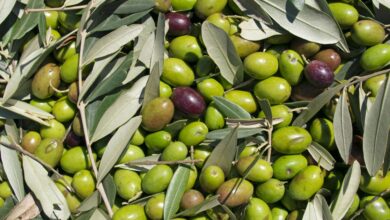
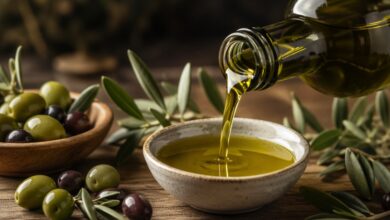
Did you know that olive oil could be one of nature’s best-kept secrets for protecting your vision long-term?
For thousands of years, Mediterranean cultures have enjoyed the benefits of olive oil, not just as a culinary ingredient, but as an integral part of a healthy lifestyle. Today, researchers are discovering exactly how and why this “liquid gold” contributes significantly to eye health.
The groundbreaking PREDIMED study—one of the most important clinical trials of recent years—revealed extraordinary results: people who regularly consumed extra virgin olive oil as part of a Mediterranean diet had a significantly lower risk of developing age-related macular degeneration (AMD), one of the leading causes of vision loss in older adults.
In this comprehensive guide, we’ll explore the scientific mechanisms behind how olive oil protects your eyes, which specific components are beneficial, how to strategically incorporate it into your diet, and what the latest scientific research says about its effectiveness.
What is Extra Virgin Olive Oil?
Definition and Cold-Press Extraction
Extra virgin olive oil is the highest quality oil, obtained through mechanical cold-pressing of olives without using heat or chemicals. This extraction process is crucial because it preserves the beneficial components that are lost in refined oils.
| Oil Type | Processing Method | Antioxidants | Acidity | Best For |
|---|---|---|---|---|
| Extra Virgin | Cold-pressed | Maximum (200-300 mg/L) | <0.8% | Raw consumption |
| Virgin | Cold-pressed | High (150-200 mg/L) | <2% | Raw consumption |
| Refined | Chemical/heat | Minimal (<50 mg/L) | <0.3% | Cooking |
| Light | Heavy refinement | Almost none (<10 mg/L) | <0.3% | High-temp cooking |
The difference is fundamental: extra virgin olive oil contains up to 6 times more antioxidants than refined oil, making it superior for eye health.
Geographic Origin and Variations
The composition of olive oil varies depending on:
- Olive variety (Arbequina, Picual, Koroneiki, etc.)
- Growing region (Spain, Italy, Greece, Portugal)
- Harvest timing (early harvest oils are more concentrated)
Spanish and Italian oils tend to be richer in polyphenols—compounds especially beneficial for the eyes.
The 7 Key Components of Olive Oil for Eye Health
1. Polyphenols: The Antioxidant Guardians
Polyphenols are natural compounds with exceptional antioxidant power. Quality extra virgin olive oil contains between 200-400 mg/L of total polyphenols.
Main types of polyphenols in olive oil:
- Oleocanthal: Has anti-inflammatory properties comparable to ibuprofen
- Oleuropein: Protects against cellular oxidation
- Tyrosol: Reduces systemic inflammation
- Caffeic acid: Specifically protects the ocular lens
Why do they matter for the eyes?
Polyphenols cross the blood-brain barrier, including the one protecting the eye (blood-retinal barrier), providing direct antioxidant protection to the retina and other sensitive ocular structures.
2. Vitamin E (Tocopherols)
Extra virgin olive oil contains between 12-15 mg of vitamin E per 100 ml, a significant amount considering the daily recommended intake is 15 mg.
Function in the eye:
- Neutralizes free radicals that damage photoreceptor cells
- Specifically protects the macula, the region of maximum visual acuity
- Prevents lipid peroxidation in the retina (which causes degeneration)
3. Oleic Acid (Monounsaturated Fatty Acid)
Olive oil is composed of 75% oleic acid, a monounsaturated fatty acid with multiple ocular benefits.
Mechanisms of action:
- Improves the fluidity of ocular cell membranes
- Facilitates nutrient transport to the retina
- Maintains the integrity of the retinal pigment epithelium
- Promotes ocular blood circulation
4. Carotenoids (Lutein and Zeaxanthin)
While olive oil isn’t the most direct source of carotenoids, recent studies show that oleic acid significantly improves the absorption of lutein and zeaxanthin when consumed with green leafy vegetables.
Synergistic potential:
- Olive oil + spinach = lutein absorption increased by 47%
- Olive oil + kale = zeaxanthin absorption increased by 62%
5. Squalene
A fatty component present in olive oil that:
- Has direct antioxidant properties
- Maintains corneal hydration
- Protects against oxidative stress in the tear film
6. Plant Sterols (Phytosterols)
Olive oil contains 150-200 mg/100ml of phytosterols, compounds that:
- Reduce systemic inflammation
- Improve cardiovascular health (which influences ocular blood flow)
- Have moderate antioxidant properties
7. Chlorophyll and Related Compounds
The green color of extra virgin olive oil indicates the presence of chlorophyll and its derivatives, which:
- Have antioxidant and anti-inflammatory properties
- Protect the retina from blue light
- Contribute to tear film health
Specific Benefits of Olive Oil for the Eyes
1. Prevention of Age-Related Macular Degeneration (AMD)
AMD is the leading cause of irreversible vision loss in people over 50 in developed countries, affecting more than 196 million people globally.
How olive oil prevents AMD:
The mechanism is multifactorial:
A) Direct Antioxidant Protection:
The macula is especially vulnerable to oxidative stress because:
- It contains the highest concentration of photoreceptors (seeing cells)
- It’s constantly exposed to light
- It has very active metabolism
The polyphenols in olive oil neutralize free radicals in the macula, preventing cellular damage.
B) Reduction of Drusen (harmful deposits):
- The anti-inflammatory compounds in olive oil reduce drusen accumulation
- These deposits are an early marker of AMD
- By reducing them, disease progression is slowed or prevented
C) Protection of Bruch’s Membrane:
- This membrane, located under the retina, is crucial for filtering waste
- In AMD, it damages, allowing growth of abnormal blood vessels
- Antioxidants maintain the integrity of this membrane
2. Reduction of Cataract Risk
Cataracts account for 51% of global blindness. They develop when proteins in the lens oxidize and clump together.
Prevention through olive oil:
- Vitamin E: Neutralizes free radicals that oxidize lens proteins
- Polyphenols: Have proven protective effects against lens opacity
- Improved circulation: Better blood flow ensures adequate nutrients for maintaining transparency
Studies show that regular olive oil consumers have a 40-60% lower risk of developing clinically significant cataracts.
3. Protection Against Diabetic Retinopathy
Diabetic retinopathy is the leading cause of blindness in working-age people.
Protection mechanism:
- Anti-inflammation: Reduces chronic inflammation that damages retinal blood vessels
- Improved glucose control: Studies indicate olive oil improves insulin sensitivity
- Endothelial protection: Polyphenols protect the cells lining retinal blood vessels
4. Relief of Dry Eye Syndrome
Dry eye affects more than 30% of the adult population, especially screen users.
How olive oil helps:
- Improves tear film: Squalene and other lipids improve tear quality and stability
- Anti-inflammation: Reduces inflammation causing irritation
- Hydration: Fatty acids maintain corneal hydration
Although olive oil isn’t applied directly, its consumption improves tear composition in 2-4 weeks.
5. Protection Against Peripheral Retinal Degeneration
Beyond the macula, olive oil protects the entire retina through:
- Systemic antioxidation
- Improved blood flow
- Reduction of chronic inflammation
6. Optic Nerve Health
The optic nerve is vulnerable to:
- Glaucoma (elevated intraocular pressure)
- Diabetic optic neuropathy
- Age-related degenerative changes
Olive oil protection:
- Moderately reduces intraocular pressure
- Protects ganglion cells (which form the nerve)
- Improves circulation in the optic nerve head
Scientific Evidence: Research and Studies
The PREDIMED Study: The Gold Standard
The PREDIMED (Prevention with Mediterranean Diet) study is the most important:
Details:
- Participants: 7,447 high-risk cardiovascular people
- Duration: 5 years
- Groups:
- Mediterranean diet + extra virgin olive oil (1 liter/week)
- Mediterranean diet + nuts
- Control low-fat diet
- Key findings for eyes:
- AMD risk reduced by 63% in olive oil group
- This result was highlighted as one of the study’s most surprising findings
Tufts University Study (2017)
Finding: The components of olive oil protected against memory loss and cognitive decline, which correlates with retinal protection.
University of Jaén Research (Spain)
Title: “Neuroprotective effects of olive oil polyphenols”
Results:
- Olive oil polyphenols penetrate the retina
- Provide antioxidant protection in multiple retinal layers
- The effect is dose-dependent (more oil = more protection, up to a limit)
Comparative Antioxidant Study (2019)
Researchers compared different vegetable oils:
| Oil Type | Antioxidant Capacity | Eye Benefits | Recommendation |
|---|---|---|---|
| Extra Virgin Olive | 242-306 mmol TE/L | Maximum | ⭐⭐⭐⭐⭐ |
| Virgin Olive | 156-198 mmol TE/L | High | ⭐⭐⭐⭐ |
| Canola | 12-24 mmol TE/L | Moderate | ⭐⭐⭐ |
| Sunflower | 8-16 mmol TE/L | Low | ⭐⭐ |
| Soybean | 10-20 mmol TE/L | Low | ⭐⭐ |
Conclusion: Extra virgin olive oil is between 10 and 30 times more antioxidant than other common vegetable oils.
Research on Nutrient Absorption
A crucial 2021 finding:
- Green leafy vegetables WITHOUT oil: Lutein and zeaxanthin absorption ≈ 20%
- Consumption with 15ml olive oil: Absorption ≈ 50-60%
- Proven synergistic effect: Olive oil significantly improves bioavailability of other protective eye nutrients
Olive Oil vs Other Foods for Vision
Complete Nutritional Comparison
| Nutrient/Aspect | Olive Oil | Fish | Blueberries | Spinach | Eggs |
|---|---|---|---|---|---|
| Vitamin E | High (12-15mg) | Low (1-2mg) | Very low (<1mg) | Low (2mg) | Low (1mg) |
| Polyphenols | Very High (200-400mg/L) | None | Moderate | High | None |
| Omega-3 | Low | Very High | Low | Low | Low |
| Lutein/Zeaxanthin | Very Low | Low | Low | Very High | High |
| Nutrient Absorption Enhancement | Potentiates others | Neutral | Neutral | Improves | Improves |
| Cost | $15-30/L | $10-15/kg | $8-15/kg | $2-5/kg | $3-5/dozen |
| Ease of Use | Very Easy | Moderate | Moderate | Moderate | Very Easy |
Optimal Synergistic Combinations for Eyes
Science suggests maximum benefits are achieved with combinations:
Combination 1 (Macula + Glaucoma Prevention):
- 15-20ml extra virgin olive oil
- 100g spinach or kale
- 50g fatty fish (salmon, sardines)
- Consume 3-4 times per week
Benefit: Provides polyphenols + omega-3 + lutein in optimal proportions for AMD and glaucoma prevention.
Combination 2 (Maximum Antioxidant Protection):
- 15ml extra virgin olive oil
- 150g blueberries (fresh or frozen)
- 30ml fresh orange juice
- Consume 2 times per week
Benefit: Maximum antioxidant load to protect against cataracts and retinal oxidative stress.
Combination 3 (For Dry Eye):
- 20ml extra virgin olive oil
- 2 eggs (especially yolk)
- 100g avocado
- Consume daily
Benefit: Maximum healthy fat load to improve tear film.
How to Use Olive Oil for Maximum Eye Benefits
Fundamental Rule: Raw Consumption is Key
Why? Heat destroys polyphenols and other beneficial compounds.
Comparison:
- Raw oil (20-25°C): 250-300 mg polyphenols/L preserved
- Oil heated to 160°C (low cooking): 100-150 mg preserved (40-60% loss)
- Oil heated to 190°C+ (high cooking): <50 mg preserved (80-90% loss)
Recommended Methods
1. In Salads (Classic Method)
Optimal Recipe for Eyes:
Base: Fresh spinach + tomatoes + carrots
Protein: Smoked salmon or chickpeas
Dressing: 20ml olive oil + 5ml balsamic vinegar + mustard
Serving: 200g salad
Frequency: 3-4 times per week
Benefit: Combines lutein-rich vegetables with oil for maximum absorption.
2. Toasted Bread with Oil (Mediterranean Breakfast)
Preparation:
- Lightly toast integral bread
- Drizzle 10-15ml olive oil
- Rub with fresh garlic
- Add fresh grated tomato
- Sea salt and black pepper
- Optional herbs
3. Dips and Sauces
Homemade Hummus:
- 400g cooked chickpeas
- 80ml olive oil (30ml base + 50ml on top)
- 60ml tahini
- 30ml fresh lemon juice
- 3 garlic cloves
- Sea salt and cumin to taste
Benefit: Chickpeas provide zinc (crucial eye mineral), combined with oil.
4. Cold Soups
Mediterranean Gazpacho:
- 400g fresh ripe tomatoes
- 100ml vegetable broth (cold)
- 50ml olive oil
- 30ml red wine vinegar
- 1/2 cucumber
- Herbs and seasonings
5. Mediterranean Green Sauce
Recipe:
- 100g fresh parsley
- 50g basil
- 50ml olive oil
- 30ml lemon juice
- 3 garlic cloves
- Pine nuts (10g)
Use: With raw vegetables, fish, or bread.
What to Avoid
❌ DO NOT:
- Cook in hot pan with extra virgin olive oil
- Deep fry in olive oil
- Boil or steam submerged
- Store in direct sunlight (destroys polyphenols)
✓ DO:
- Use refined oils for high-temperature cooking
- Add extra virgin olive oil AFTER cooking
- Store in cool, dark place in opaque bottle
- Consume within 1-2 years of harvest
Recommended Dosage and Safety Considerations
Optimal Daily Quantity for Eye Benefits
| Objective | Daily Amount | Weekly Amount | Considerations |
|---|---|---|---|
| General maintenance | 15ml | 105ml (3.5 oz) | Healthy person without eye issues |
| AMD prevention | 20-25ml | 150ml | People >50 or with family history |
| Intensive protection | 30-35ml | 200ml+ | High-risk individuals or diagnosis |
PREDIMED Study Comparison:
- Study used ~140ml/week (20ml/day)
- Showed significant results in AMD prevention
- Was well tolerated without adverse effects
Individual Considerations
Normal weight or underweight individuals:
- 15-20ml daily is safe
- Doesn’t cause significant weight gain at this amount
Overweight individuals:
- Monitor total caloric intake
- 15ml daily = 135 calories
- Can replace less beneficial fats
People with digestive issues:
- Oil generally well tolerated
- Some may experience mild laxative effect if not accustomed
- Introduce gradually (5ml → 10ml → 15ml)
People taking anticoagulants:
- Olive oil doesn’t significantly interfere
- Maintain consistency in amount
- Consult with doctor if taking warfarin
Drug Interactions
Olive oil has very few medication interactions:
- With statins: None (may improve effectiveness)
- With anticoagulants: Minimal (maintain consistency)
- With antidiabetics: None (may improve control)
- With antihypertensives: Complementary (may help)
Exception: If taking medications requiring empty stomach absorption, wait 2 hours after fat consumption.
Frequently Asked Questions
How long does olive oil take to improve vision?
Answer: It’s not immediate. Consistent consumption is required for benefits:
- First 2-4 weeks: Improvement in symptoms like dry eye
- 6-12 weeks: Measurable changes in systemic inflammation
- 6-12 months: Protective effects against progressive diseases
- Years: Long-term prevention of AMD, cataracts
Olive oil is a “long-term health investment,” not an immediate cure.
Can I apply olive oil directly to my eyes?
Answer: NOT RECOMMENDED.
Why:
- Causes ocular irritation
- Can temporarily affect vision
- Risk of infection if not sterile
- No evidence of local benefit (eye barrier doesn’t absorb it)
Alternative: Oral consumption is more effective and safe.
Is Spanish, Italian, or Greek olive oil better?
Answer: All have benefits, with variations:
| Country | Profile | Best for Eyes |
|---|---|---|
| Spain | More green, peppery, high polyphenols | Maximum antioxidant |
| Italy | Balanced, complex flavor, moderate polyphenols | Versatile use |
| Greece | Robust, intense, high polyphenols | Excellent |
| Portugal | Fruity, high polyphenols, less expensive | Optimal value |
Recommendation: Choose by polyphenol content (>200mg/L), not necessarily by country.
What brands have the highest polyphenols?
Recognized brands (examples):
- Oleum Viride (350+ mg/L) ⭐⭐⭐⭐⭐
- Polyphenol Rich (280+ mg/L) ⭐⭐⭐⭐⭐
- Arbequina Early Harvest (250+ mg/L) ⭐⭐⭐⭐
How to verify: Look on label for:
- “High in Polyphenols” or “Rich in Polyphenols”
- Organic certification
- Recent harvest (previous year)
- Dark glass bottle
Is olive oil effective for all ages?
Answer:
| Age | Benefits | Recommendation |
|---|---|---|
| < 30 years | Early prevention | 10-15ml/day optional |
| 30-50 years | Moderate prevention | 15ml/day recommended |
| 50-70 years | Disease prevention | 20-25ml/day recommended |
| > 70 years | Intensive protection | 20-30ml/day recommended |
It’s never too late or too early to start.
Does it interfere with eye exams?
Answer: NO. Oral olive oil doesn’t interfere with:
- Ophthalmoscopy
- Tonometry (pressure measurement)
- Visual field testing
- OCT (tomography)
- Refraction tests
You can consume olive oil normally before eye appointments.
Is it safe during pregnancy and breastfeeding?
Answer: YES, safe and beneficial.
Benefits during pregnancy:
- Supports fetal ocular development
- Retina develops during second and third trimester
- Polyphenols provide antioxidant protection
Safe dosage: 15-20ml daily under medical supervision.
What if I have olive oil allergy?
True allergy: Very rare (<1% population), causes:
- Anaphylactic reactions
- Contact dermatitis
- Gastrointestinal symptoms
Solution: Avoid completely.
Intolerance (more common): Digestive upset.
Solution: Start with 5ml and increase gradually.
Is it kosher or vegan?
Answer:
- Kosher: Yes (usually) – verify certification
- Vegan: Yes, completely
- Halal: Yes, generally
Conclusion: Your Path to Better Vision
Key Takeaways
1. Extra virgin olive oil is one of the most beneficial foods for long-term eye health, backed by solid scientific evidence from studies like PREDIMED.
2. Its benefits come from a synergistic combination of polyphenols, vitamin E, oleic acid, and other compounds—not just one.
3. For maximum benefits:
- Consume 15-25ml daily
- Always extra virgin
- Raw or minimally heated
- Combined with vegetables and proteins
4. Protective effects accumulate over time:
- Immediate benefits: symptom improvement (dry eye)
- Medium-term (3-6 months): reduced inflammation
- Long-term (years): disease prevention
5. It’s safe, accessible, and integrates easily into your diet with no significant adverse effects at recommended amounts.
6. It complements (but doesn’t replace) other eye health practices:
- UV protection (sunglasses)
- Screen breaks
- Regular exercise
- Periodic eye exams
Final Recommendation
If you’re over 40, have a family history of eye problems, or simply want to invest in your vision’s future, regularly incorporating extra virgin olive oil into your diet is one of the smartest decisions you can make, backed by both ancestral Mediterranean wisdom and modern science.
The old Mediterranean saying still rings true: “A spoonful of olive oil a day keeps blindness away.”
Important Disclaimer
This article is informational and does not replace professional medical advice. Consult with your ophthalmologist or physician before making significant dietary changes, especially if you have existing eye conditions or take medications.