I had been looking forward to this visit for some time.
Driving through the gates of the Dr Kavvadia estate feels a little like arriving in a tropical paradise dream. From the moment you step out of the car, the air feels different. The pace is slow and intentional, and there is a calmness that settles over the grove. It’s not long before you find yourself wondering whether it is the landscape or the legacy of the man who shaped it that is most inspiring. For me, it is both.
Dr. Apostolos Kavvadia was an orthopaedic surgeon by profession, but to speak of him only as a doctor feels completely inadequate. Walking through his estate today, years after his passing, it is hard not to feel or see the weight of his influence. His presence remains woven into the landscape through the decisions he made and the standards he absolutely refused to compromise on. He held a conviction that few people carry with certainty, that when olive oil is produced with the kind of care and respect the land deserves, it can acquire the healing properties of medicine. It was not a marketing claim for him. It was a belief that shaped every choice he made in the grove.
I have always admired people who dedicate themselves to something whose full rewards they may never personally enjoy. There is a saying that a society grows great when people plant trees whose shade they know they will never sit beneath, and Dr. Kavvadia did just that. Corfu at the time was hardly regarded as one of Greece’s great olive oil regions. The island was known for its beauty, not for producing world-class EVOO. Yet Dr. Kavvadia looked at the ancient Lianelia trees of Corfu, many of them centuries old, some dating back over three hundred years and recognised a potential that others hadn’t. He believed the island could produce extraordinary oils if treated with the same seriousness afforded to Greece’s more established regions, and he set about proving it using only natural farming methods. What is called a blend of permaculture and regenerative farming, he was practising long before those words became fashionable.
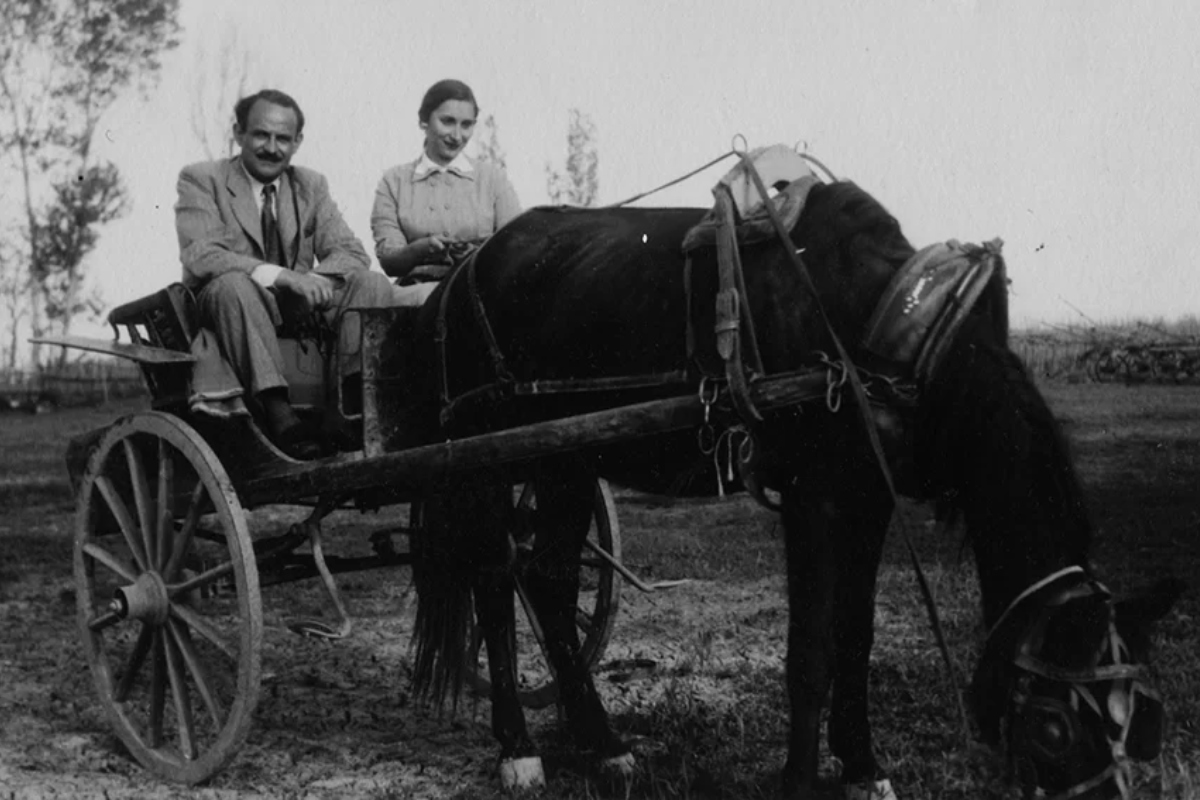
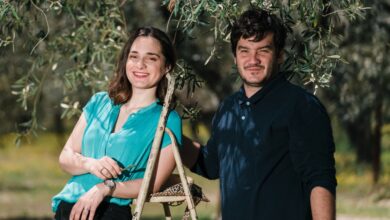
That responsibility now rests with Dr. Kavvadia’s grandson, also named Apostolos, who has devoted himself entirely to carrying that vision forward, and it is no small undertaking. Maintaining an estate is difficult at the best of times, especially when the team does everything themselves. Honouring a legacy while simultaneously moving it forward requires a particular kind of person, and Apostolos does it with an extremely kind heart. It becomes clear very quickly that this is not just a business for him, but something more personal, a commitment to changing the set-in-stone ways that had been holding Corfu back from the recognition it deserved. Everyone on the estate seems connected by something deeper than employment. There is intention behind everything they do, and people are here because they genuinely care about what Dr. Kavvadia started and what Apostolos continues to build.
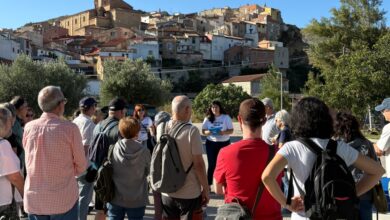
Our guide, Marco, embodied this perfectly. I have attended more tastings than I can count, but Marco stands among the very best guides I have encountered. He does not recite information or quiz his group. He shares stories, and walking alongside him feels less like joining a tour and more like being shown around by an old friend who is excited to share a place he truly loves. As we walked through the grove, he pointed out both Lianelia and Thiako trees, explained the estate’s biodiversity initiatives and showed us the regenerative vegetable garden bursting with seasonal produce. We connected quickly over a shared love of genuine regenerative farming and eating seasonally. Nothing felt sterile or over-managed. The grove felt alive and, perhaps because of the time of year, it is flourishing.
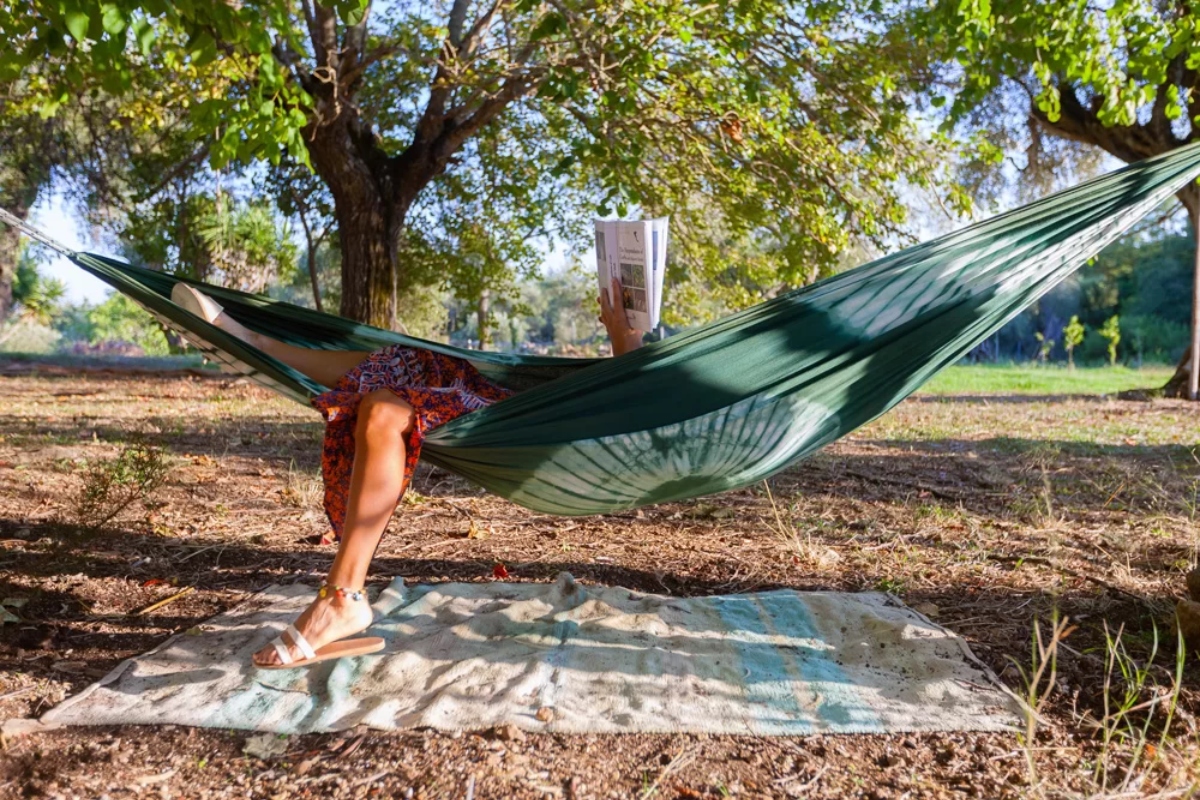
Then came my favourite part: the mill. I will admit that I was surprised when I first saw the tiny cottage at the end of the garden, because given the reputation of the oils, I had imagined something a bit larger. Instead, the mill felt intimate and purposeful, and the more I looked around, the more it made perfect sense. This is not industrial production, so why did I expect industrial-sized machinery? This is hands-on, micro-extracted olive oil production in the truest sense of the word. During harvest, everyone becomes part of the process and there is nowhere to hide and no room for job titles. Perhaps that is precisely why the oils feel so personal, because you can taste the care and effort that have gone into every single bottle. Standing there, looking out across the grove, I seriously considered taking my shoes off and spending some quality time with my toes in the grass. I felt completely at home, and the team deserves much of the credit for that. So do the cats. And the dogs.
After the mill visit, we escaped the heat and made our way into the tasting room. I had genuinely been looking forward to this the most, tasting their EVOO. The rotation was perfectly considered, Lianelia first, then Thiako, then an earlier-harvest Lianelia, and it was the ideal way to get the best out of each oil. The Lianelia transported me back outside almost immediately. Fresh-cut grass, green almond, olive leaf and wild herbs seemed to capture the landscape we had just walked through, and there was an elegance to this EVOO but also a real energy to it. My heart was already leaning heavily in its direction. Then the Thiako played a trick on me. My first impression was not my final one, and on the second taste the oil opened beautifully, revealing layers of green apple, chamomile and sweet almond that I had missed entirely the first time around. It was a useful reminder that people often tell us to trust first impressions, but olive oil occasionally asks for a little more patience. Some oils are shy and hold back on the first try, and Thiako is absolutely one of those.
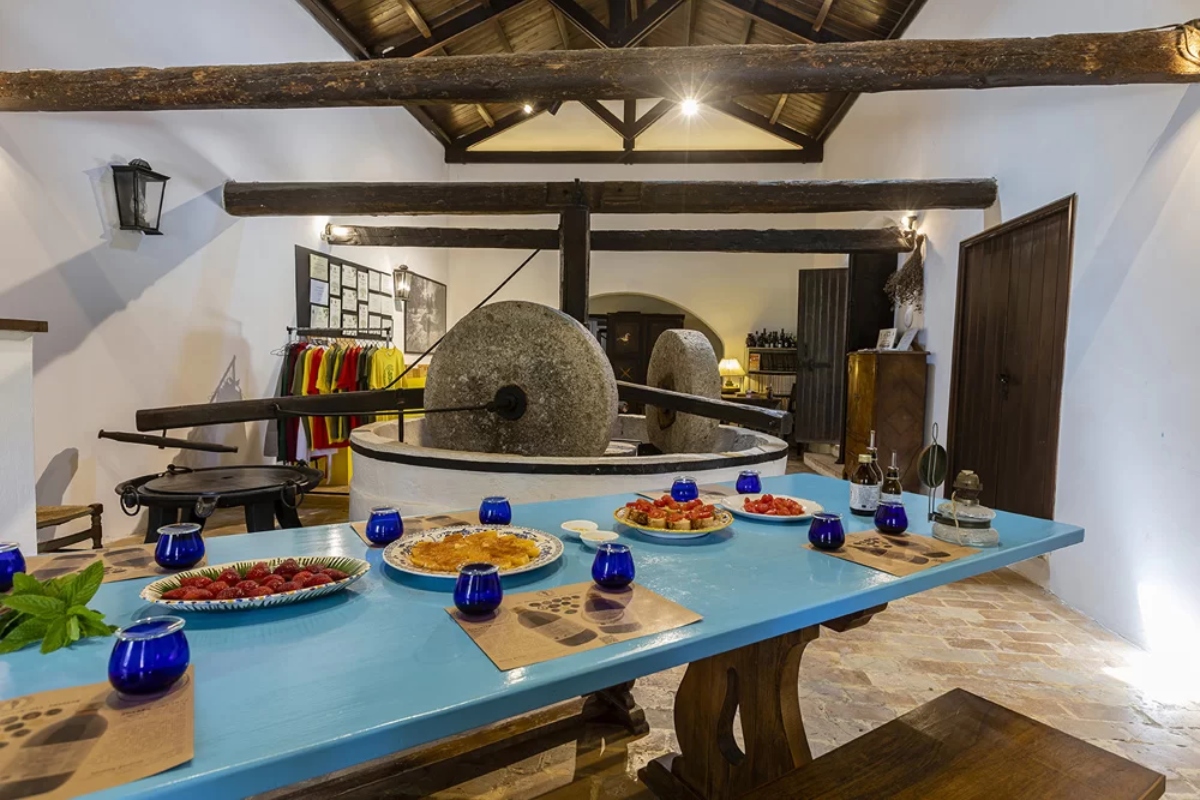
It is worth noting that Thiako carries real significance here. Dr. Kavvadia’s farm was one of the first producers worldwide to cultivate and bottle this rare local variety, originally found on the islands of Kefalonia and Ithaca, and in doing so helped bring attention to a cultivar that might otherwise have remained unknown beyond the Ionian Islands. After the tasting came freshly baked bread, ripe cherry tomatoes and generous amounts of EVOO poured freely over everything. Then, to finish, thin slices of orange drizzled with olive oil and dusted with cayenne pepper, which sounds simple but was, without any exaggeration, so extremely delicious that I still think about it almost a week on!
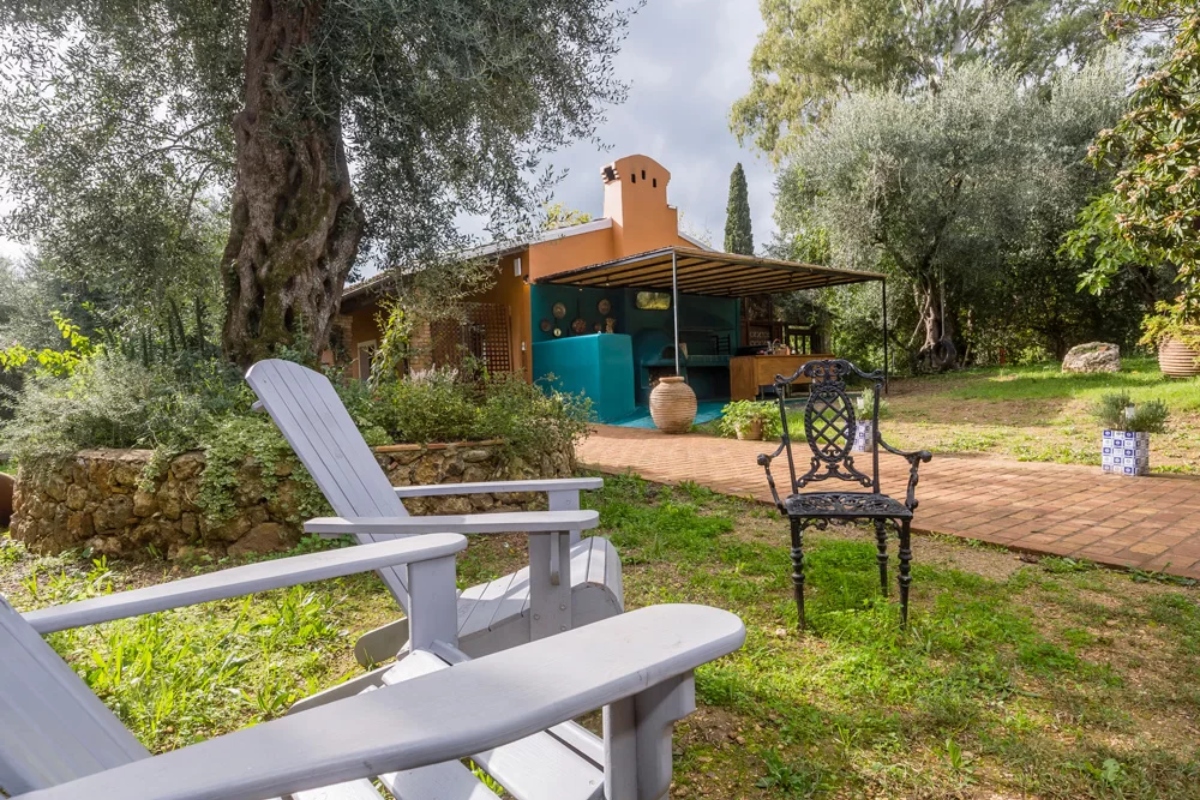
Paradise is an overused word, but standing there surrounded by centenarian olive trees, eating oranges drizzled with the oil from their own trees, it felt both timeless and completely appropriate. As Micah and I walked through the farm shop before leaving, I found myself thinking about a question that every producer eventually faces: which compromise am I willing to accept? More yield or better quality? Convenience or biodiversity? Profit or patience? Every EVOO producer answers that question differently, but standing on the estate of Dr. Kavvadia, I already knew what his answer would have been. None. No compromise on quality, no compromise on the land and no compromise on the belief that Corfu could produce something truly extraordinary. The remarkable thing is not that he was eventually proven right but that he believed it so completely, and so long before anyone else did, that we still get to enjoy the fruits of that belief today.
If you are ever in Corfu, I cannot recommend this experience enough, and I cannot wait to go back.