When I arranged to meet Raj Mahat to talk about Koraje and the thinking behind it, our conversation began at seven o’clock in the morning. We wasted no time on small talk. Within minutes, we were deep in the chemical composition of olive oil, discussing volatile molecules, analytical testing and the complexity of Extra Virgin Olive Oil. I am still a student and really try to soak up as much information as I can whenever I get to speak to someone in the know and I am so grateful to have had the opportunity to talk to Raj.
As an analytical chemist, this is a world Raj understands intimately. His knowledge of separation science and mass spectrometry has taken him through both academia and industry, including hands-on work with lipids in edible oils and fats. During our conversation it was clear that Raj doesn’t speak about olive oil as though it is only a collection of measurable compounds. For him, chemistry is not there to strip olive oil of its romance. It is there to protect it. And we really do need to protect it.
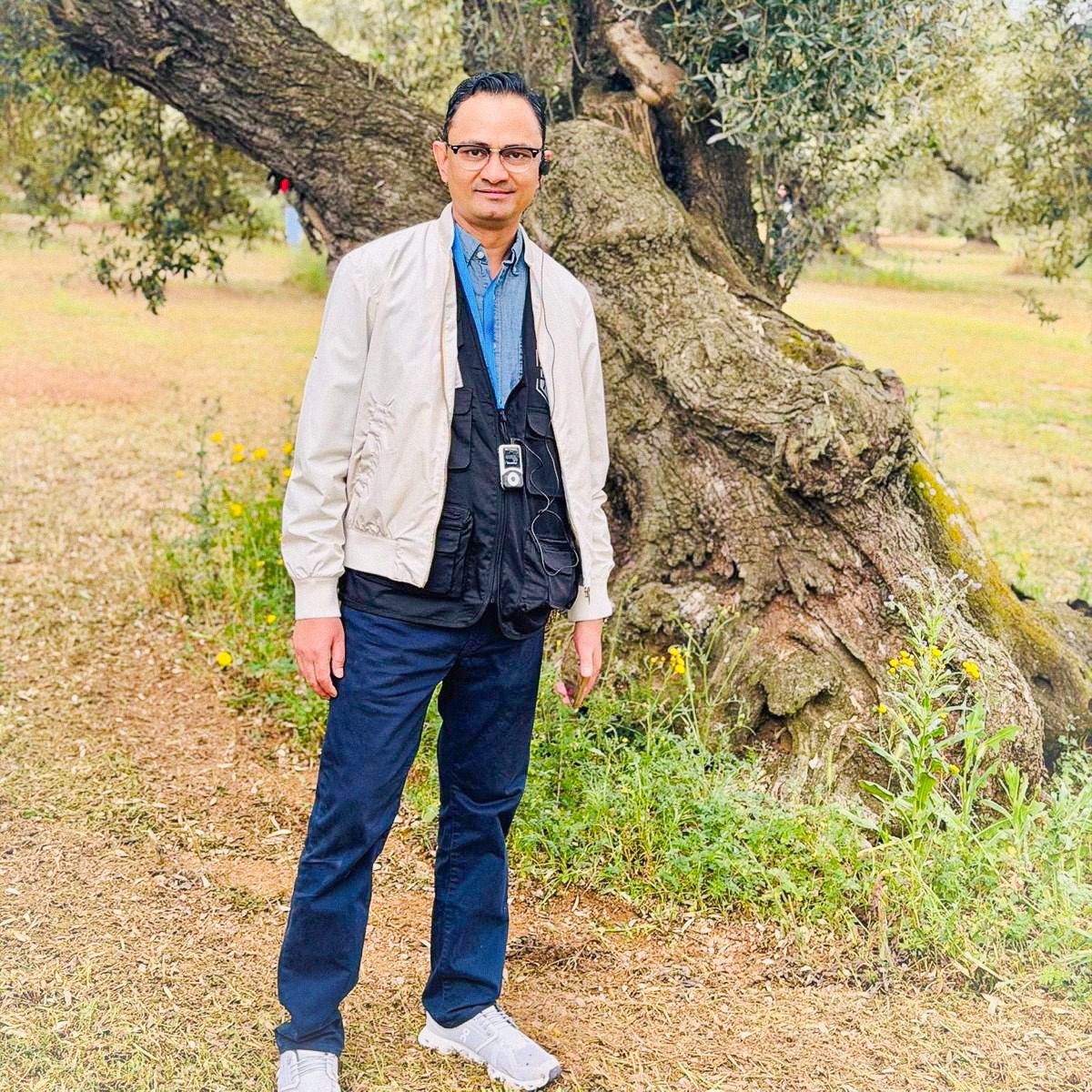
Raj had been reading about, analytically testing and informally tasting olive oils since 2014. Over the better part of a decade, the idea of creating an olive oil brand of his own kept returning.
“I felt my understanding of oil chemistry could serve buyers who believe in science in a way the industry wasn’t currently offering,” he explained.
The more Raj studied the market, the more he became aware of the distance that can exist between what is written on a bottle and what is actually inside it. Olive oil is surrounded by beautiful language, and sometimes that language is deserved. At other times, marketing is asked to do the work that proper verification should be doing.
“It opened my eyes to how much of the olive oil industry runs on marketing rather than verification,” he said.
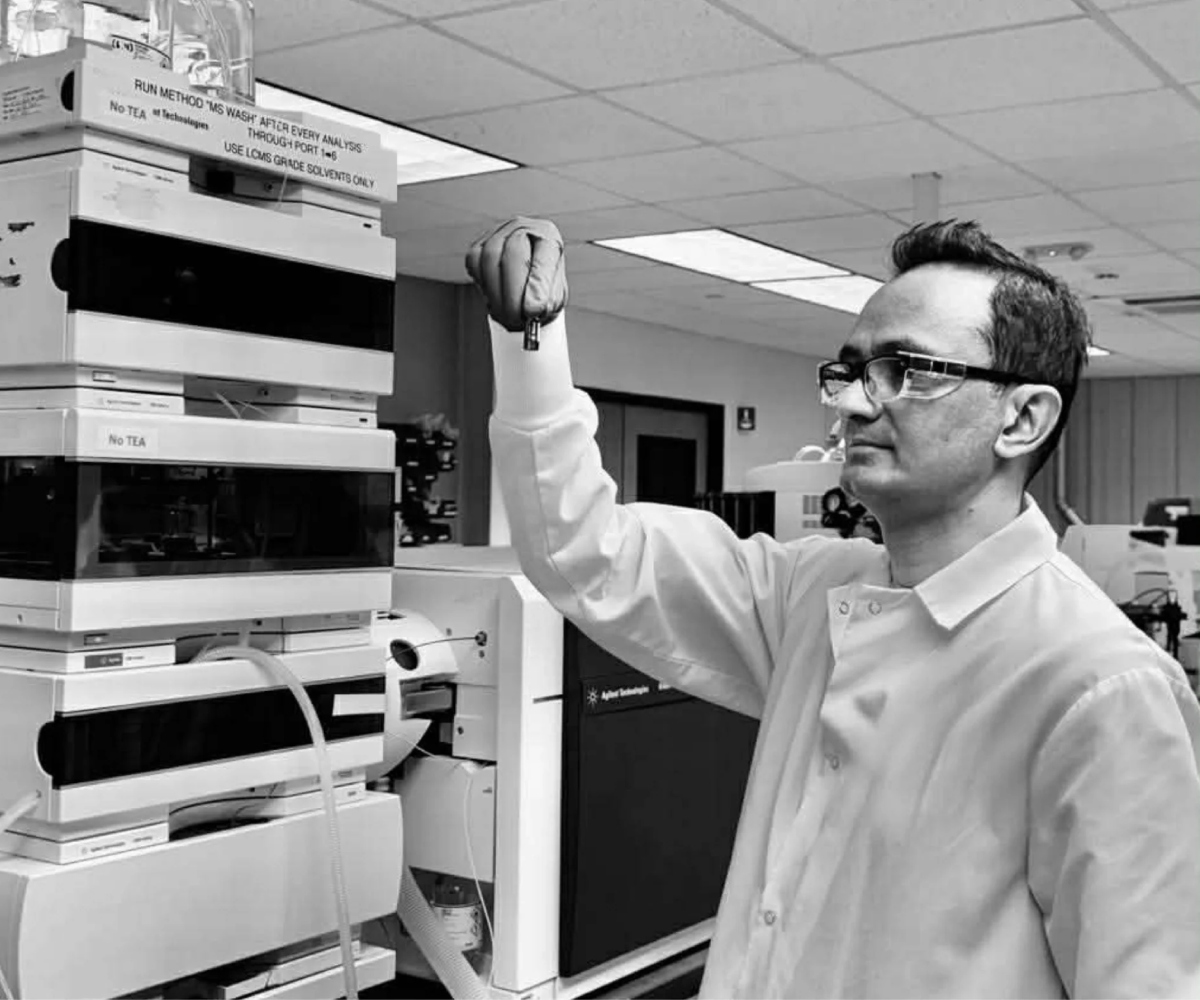
Koraje was born from that gap
Eventually, Raj reached the point so many founders will recognise. The idea had followed him for long enough. It was now or never. In 2023, he began looking for the right producer, a process that would take almost a year and a half. He was not only searching for an oil he enjoyed. He was looking for a producer and a product that aligned with the principles on which he wanted to build the entire company.
At around the same time, he became a certified extra virgin olive oil sommelier through ESAO in Spain, making us fellow alumni and formally expanding his understanding of olive oil through sensory science. It is this meeting of the laboratory and the tasting glass that makes his approach so interesting. Raj understands that an oil cannot be reduced to a single number, but he also believes that transparency requires more than just a compelling story.
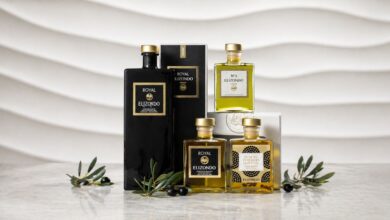
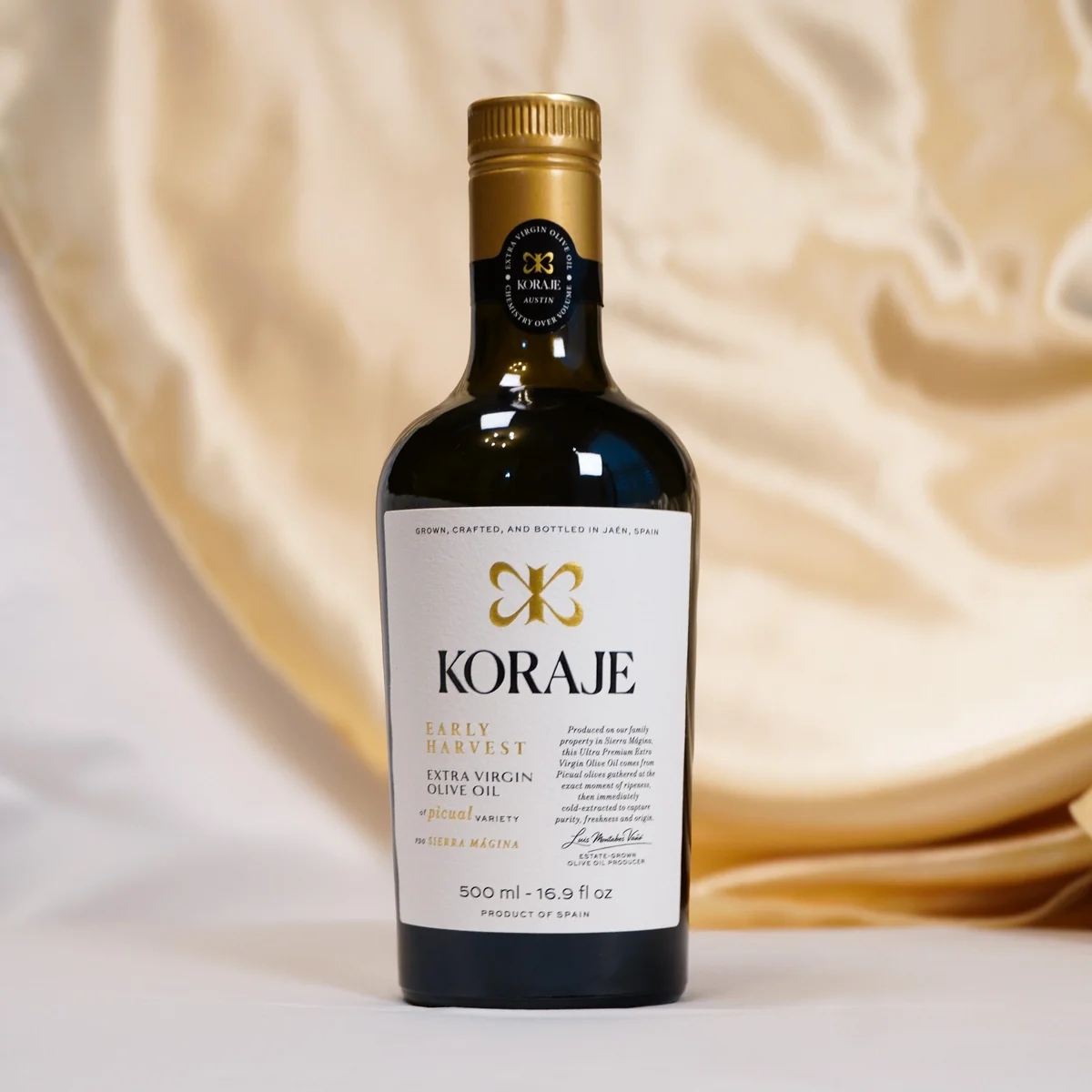
Koraje’s flagship oil is a single-estate, early-harvest Picual from the PDO Sierra Mágina region of Jaén, Spain. The olives are cold extracted, and the finished oil is verified through IOC-accredited laboratory testing, with the results made available to customers. True transparency.
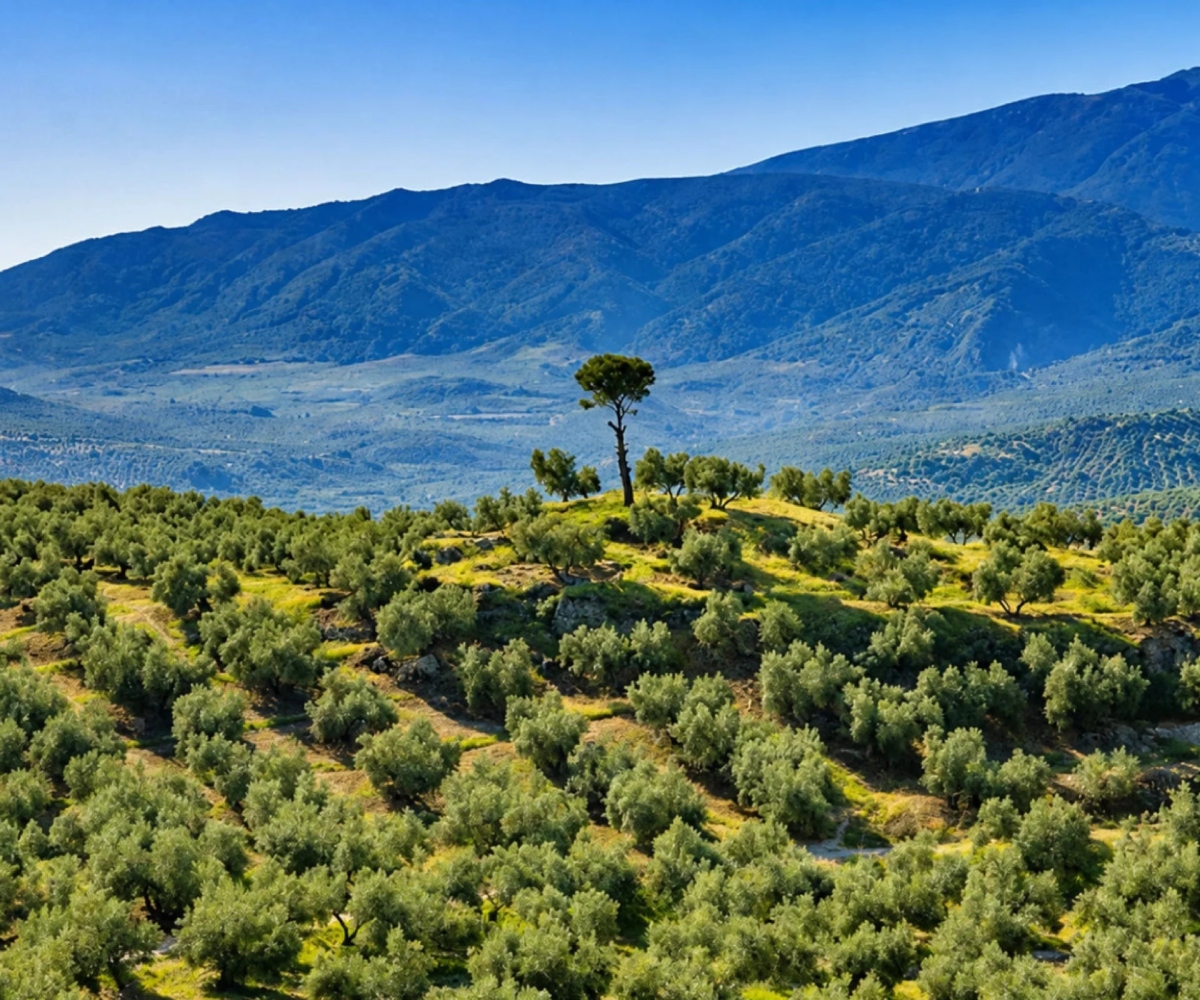
The company’s philosophy is simple, although maintaining it requires hard work: tell people what is actually in the bottle.
“We provide actual quality control and laboratory results to our customers, not marketing copy dressed up as science,” Raj told me. “For us, chemistry is always over volume.”
This begins before Koraje selects an oil. Key quality parameters are examined and verified against the reports provided by the farmers and producers. Only oils that meet the company’s standards and philosophy are chosen. Testing does not end when that selection has been made. After bottling, products are randomly sampled for a second round of verification.
Storage is treated with the same seriousness. The bottled oil is kept in a temperature-controlled facility at 68°F, or 20°C, around the clock, protecting it from the heat and light that can undo so much careful work after production.
This attention to detail is extremely important because olive oil does not stop changing when it leaves the mill. Harvesting and extraction may determine the quality of the oil at the beginning of its life, but bottling, transport and storage all influence what eventually reaches the customer’s table. There is little value in producing an excellent oil only to neglect it once it enters the supply chain. This is where we need to take extra care.
Koraje soft-launched with a very limited quantity, with plans to expand following the next harvest. That beginning feels appropriate for a company built around scrutiny instead scale. Raj is not trying to fill as many bottles as possible. He is trying to ensure that every bottle can be stood behind.
“Full transparency and integrity are the way we function,” he said. “We do not make quality exaggerations or unsupported claims.”
One of the things Raj and I connected over was the increasingly common habit of selling olive oil through one big emphasis on a number. Polyphenol levels, in particular, are often presented as though the highest figure automatically represents the finest oil. Raj’s background makes him exceptionally well placed to understand the value of chemical analysis, but also its limitations when removed from the broader composition of the oil.
Olive oil contains hundreds of chemical compounds. More than 180 small volatile molecules alone have been associated with its sensory character. Somehow, all of this molecular diversity can come together to create harmony: fruitiness, bitterness, pungency, aroma, texture and persistence existing in conversation with one another.
Raj describes it beautifully as “a chemical assonance.”
I really love that. Assonance is created through correspondence and repetition, sounds working together rather than trying to be heard. Great olive oil works in the same way. Its beauty isn’t found in one compound above everything else, but in the relationship between its many components.
“For us, olive oil is all about balance,” Raj explained. “If only one set of molecules overpowers that balance, it is no longer a true olive oil known for its sensory excellence.”
Raj sees science as a steward. I love this because stewardship is not about domination. It is about care. Science should help us understand olive oil, preserve its quality and hold claims accountable. It should not flatten something so complex into the biggest number that can fit on a label.
Olive oil, Raj reminded me, is poured on both kitchen tables and altars. It has sustained people practically, culturally and symbolically for thousands of years. Still much of the modern market continues to push it towards commoditisation, while at the other extreme, exaggerated claims attempt to turn it into something closer to a supplement.
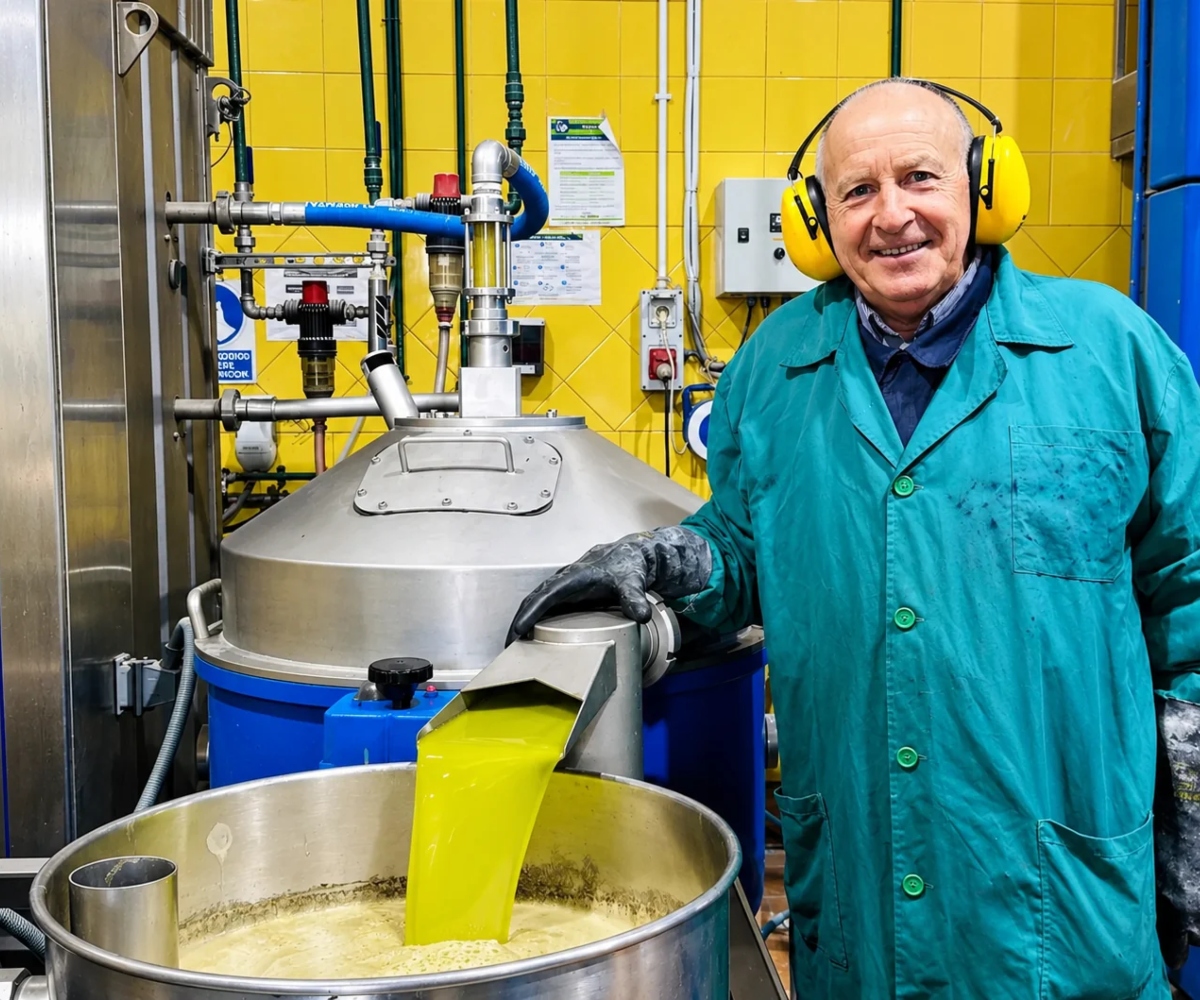
Koraje is trying to occupy a more honest space between the two.
“We will not sell our product based on inflated numbers,” Raj said. “We tell our oil as it is and stand behind it. No gimmicks, no shortcuts.”
By the time our early-morning conversation ended, we had moved between chemistry, sensory analysis, storage, transparency and the responsibility that comes with selling something people trust enough to put on their tables.
Raj founded Koraje because he saw a gap between scientific evidence and the way olive oil is often marketed. But what he is building is not a clinical or joyless version of olive oil. It is the exact opposite. His work acknowledges that the magic of olive oil is not threatened by asking difficult questions or demanding evidence. When approached with respect, science allows us to see more of that magic.
Inside every bottle is an almost unimaginable amount of activity: hundreds of compounds interacting, changing and finding balance. There is agriculture, craftsmanship and human judgement, but there is chemistry too. Not chemistry as a marketing device, and not chemistry reduced to one impressive figure, but chemistry as a guardian of quality.
At seven o’clock that morning, I thought Raj and I were meeting to talk about an olive oil brand. What we really spoke about was truth. The truth inside the bottle, the responsibility of proving it, and the real beauty that becomes visible when art and science are allowed to meet.
I would like to thank Raj for giving me so much of his time. It was a deeply meaningful and educational conversation, and one I am so grateful for. Raj, his wife and the whole Koraje team are committed to doing things the right way, with transparency, integrity and care. That takes an extraordinary amount of work and patience, and I feel very lucky to have had the opportunity to hear their story and share a little of it here.