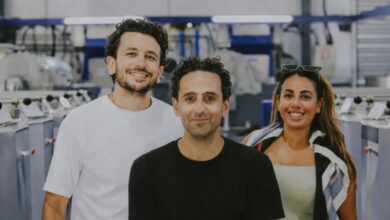
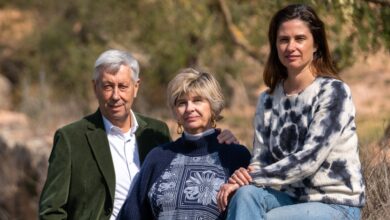
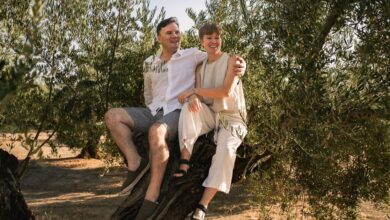
Andreas and Emmanuel stand on land that was once whole. A single property, divided generations ago when it passed to their mothers. For decades, their families’ olive groves sat as neighbors, separated by the simple accident of inheritance. Then one year, they made a decision: to reunite what had been split apart.
The choice wasn’t inevitable. Thirty years before that reunion, Crete’s landscape began to shift. Farmers across the island were offered subsidies to uproot century-old trees and plant something easier to grow. The Tsounati variety, ancient and demanding and unpredictable, would be replaced by Koroneiki, a variety more resilient and less demanding to cultivate. Most accepted the offer. The money was real. The effort required to maintain Tsounati was considerable.
Andreas and Emmanuel’s families refused.
Today, the Tsounati represents only a small fraction of Crete’s olive trees. The grove that Andreas and Emmanuel inherited is a living archive of their families’ stubbornness and care. Among the gnarled trunks, birds nest and small mammals shelter. Indigenous plants flourish: fig and almond trees, wild asparagus, wild capers. Insects that would be considered pests elsewhere are allowed to exist here, because they control the fruit fly that threatens organic cultivation. The grove is not a plantation. It is a habitat.
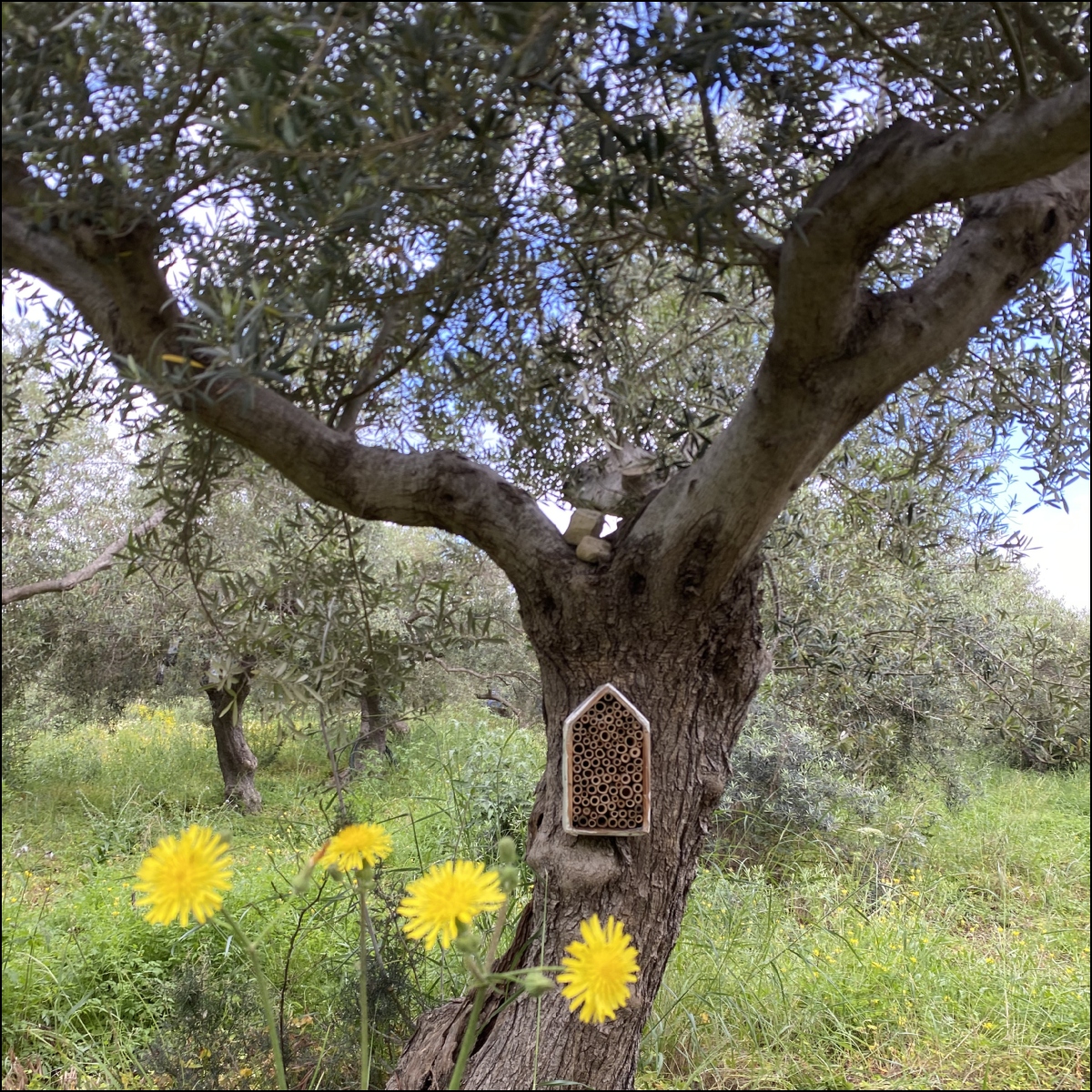
This approach to farming sits at the opposite pole from hyper-intensity. Biodynamic methods govern the land. Regenerative practices guide the decisions. The philosophy is simple: minimize intervention and allow natural processes to unfold. The land is meant to heal itself. Life is meant to flourish.
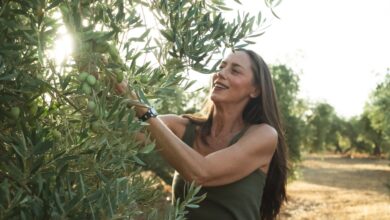
Every October, the harvest begins while the fruits are still green. The ancient Greeks called this “omótribes,” a word that survives in the mouth and memory long after the trees themselves. In modern Greek, it is known as “agoureleo.” They believed it was the most nutritious olive oil. Modern science has confirmed what intuition knew.
The selection is meticulous. Each fruit is chosen by hand, one at a time. Only those in perfect condition are sent to the mill. Family members of all ages move through the grove, alongside visitors who have come to participate in something that feels less like work and more like ritual. The fruit is pressed the same day. Some olives are set aside and transformed into edible preparations using traditional recipes: Pastes, Tsakistes (crushed olives), and Neratzolies. These become side dishes, ingredients in other preparations, or perfect to enjoy on their own.
Not all drops become oil. That specificity matters.
Emmanuel carries a childhood memory with him. He was small, walking through a village near Rethymno with his grandmother during the Christmas season. They moved through the streets singing carols. At each house, neighbors emerged not with coins or sweets, but with a small canister. They would pour a measure of their olive oil into the container his grandmother carried. Olive oil was the currency of abundance. You could pay the grocer with it. You could show someone you valued them.
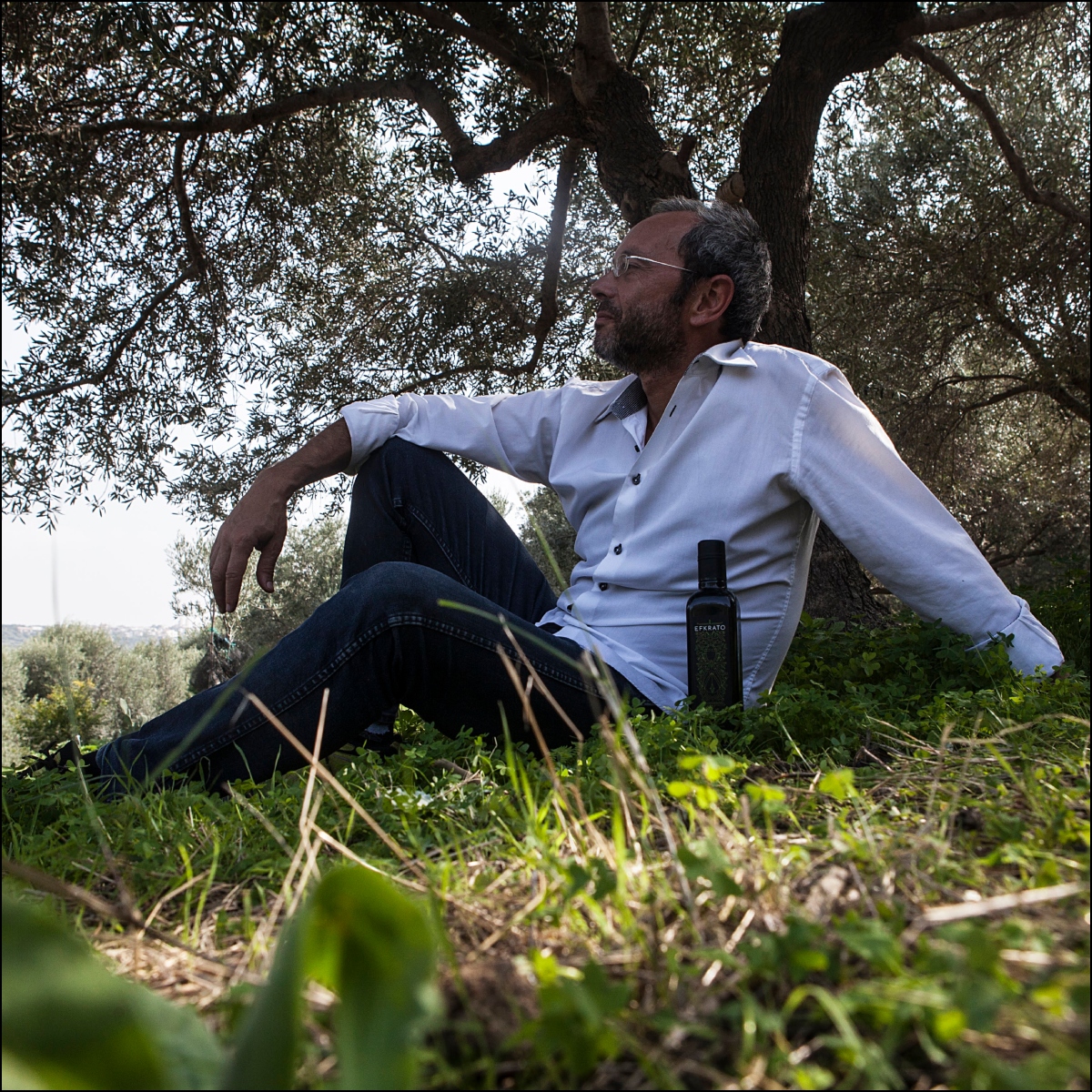
The name EFKRATO arrives from the ancient Greek words for “ideal” and “blend.” It refers to the perfect combination of terroir, culture, climate, and care. Every element has a place. The land has a voice. The past is alive in the present. The groves remember what they have always been.
In Crete, olive oil remains the foundation. The diet and the culture are inseparable from it. There is an entire category of dishes called “Ladera,” the oily ones, the olive oil-based dishes that define what it means to eat well. Olive oil appears in ceremony: baptisms, blessings, the marking of sacred moments. It is practical and ceremonial at once.
What Andreas and Emmanuel created is not separate from this heritage. It emerges from it. Each harvest they strengthen what their families refused to let go of. Each pressed fruit carries the story forward into another year.
That choice to refuse the subsidy, made by their mothers’ generation. That choice to reunite the groves, made by these two cousins. That choice to move slowly, to preserve, to care for the land the same way Cretans have done since the Minoan era.
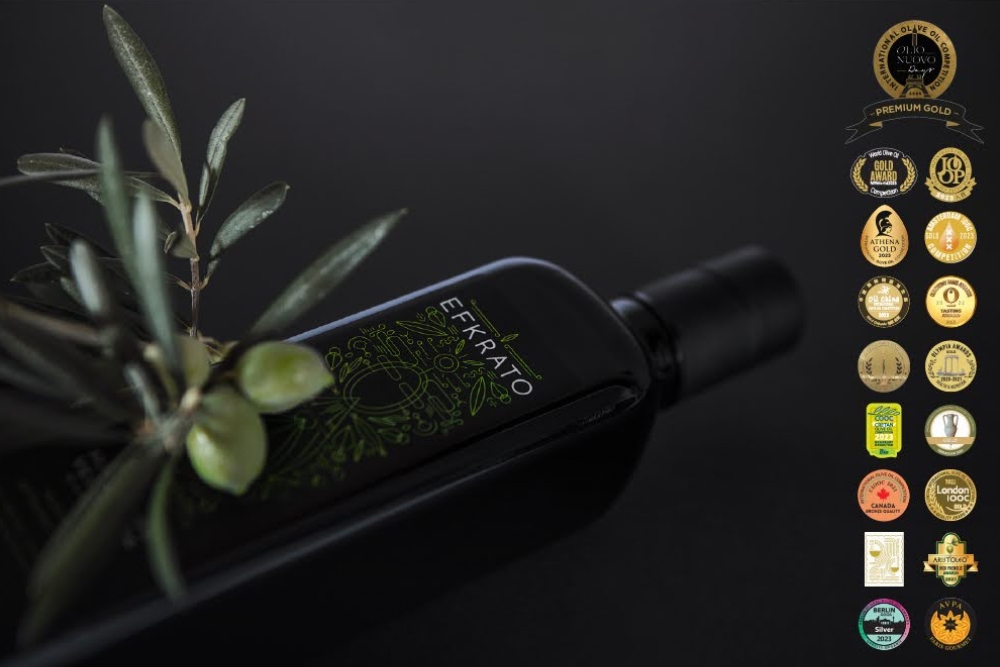
These are the threads that become EFKRATO.