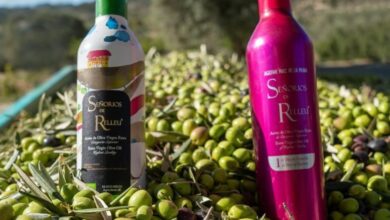
If you want a simple answer, start here: choose extra virgin olive oil, look for a recent harvest date when possible, pick a bottle in dark glass or tin, and avoid labels like “light” or “pure.” That alone already puts you ahead of most people standing in front of a shelf.
But choosing the best olive oil is not really about memorizing rules. It’s about understanding what makes one bottle feel alive and another one forgettable. Once you see that difference, the decision becomes much easier.
What is the best type of olive oil to buy?
For everyday use, the best choice is extra virgin olive oil. Not because it sounds better, but because it is the least altered version of the oil. It comes directly from olives, without refining processes that strip away character.
Other types of olive oil exist, and they are not necessarily wrong. But if what you’re looking for is flavor, aroma, and something that actually adds to your food, extra virgin is where that begins.
How to tell if olive oil is fresh before you buy it
Olive oil is a fresh product, even if we don’t always treat it that way. It doesn’t improve with time. It slowly fades.
A harvest date is one of the clearest signals you can find. It tells you when the olives were picked, which gives you a real sense of how much life is still inside the bottle. If you don’t see a harvest date, then at least check the best-by date and avoid anything that feels too far away from the present.
Fresh oil doesn’t just taste better. It feels more complete, more expressive, closer to what it was meant to be.
Why dark bottles matter when choosing olive oil
Light is one of the quiet enemies of olive oil. It doesn’t ruin it instantly, but over time it takes something away.
That’s why good olive oil is often sold in dark glass or tins. It’s not a design decision. It’s protection. A clear bottle under bright lights may look appealing, but it’s not doing the oil any favors.
If you want to make one small change that makes a real difference, choose the bottle that protects what’s inside, not the one that looks best on the shelf.
How to read an olive oil label the right way
Labels can either help you understand what you’re buying or distract you from it. The difference is in how much real information they give you.
Look for clarity. A specific origin is more meaningful than vague wording. A simple, direct label is often more trustworthy than one filled with marketing language.
You don’t need to analyze every detail. Just focus on whether the bottle is trying to inform you or impress you. The best ones usually do less of the second.
What olive oil terms should you avoid?
Some labels sound reassuring but don’t mean what people think. Terms like “light” or “pure” are often misunderstood. They don’t refer to better quality. They usually refer to a more processed oil.
If your goal is to find something with real flavor and presence, those are not the words you’re looking for. Extra virgin tells you far more about what’s inside the bottle than softer, more appealing terms.
What does good olive oil taste like?
This is where many people hesitate. They try olive oil and notice a slight bitterness or a peppery sensation and assume something is wrong.
But that small kick at the end, that gentle bitterness, is often part of what makes olive oil feel fresh. It’s not about intensity. It’s about life.
A good olive oil can be smooth, or it can be more expressive. It might remind you of grass, herbs, or almonds. What matters is not that it tastes strong, but that it tastes like something real.
Is single-origin olive oil better than blended olive oil?
It’s easy to assume that single-origin oils are always better, but that’s not always true. Some blends are created carefully to bring balance and consistency.
What matters more is transparency. Knowing where the oil comes from, or at least having a clear idea, is more useful than choosing based on a category alone.
How much should good olive oil cost?
Good olive oil is rarely the cheapest option, but price alone doesn’t define quality. A higher price can reflect care and production, but it can also reflect branding.
A better way to think about it is this: does the oil give you something back? Does it add to your food in a way you notice? If the answer is yes, then it’s worth it.
How to choose olive oil for cooking vs finishing
Not every olive oil needs to do the same job. For cooking, something balanced and reliable works well. For finishing dishes, you might prefer something with more character.
This isn’t about having many bottles. It’s about understanding that olive oil can play different roles depending on how you use it.
Final thoughts on choosing the best olive oil
Choosing olive oil is not really about finding the perfect bottle. It’s about learning how to recognize when something feels right.
The best olive oil is the one that still carries something of the fruit it came from. Fresh, honest, and alive enough to change the way your food tastes. Once you notice that, the rest becomes much simpler.