Most people will never stand inside a mill during harvest season.
They will never hear the chaos of machinery running through the night, smell the intense green aroma hanging in the air or watch olives move from tree to oil in a matter of minutes. They will never see exhausted producers checking fruit quality at midnight or understand how fragile the entire process really is.
Most people will simply pick up a bottle from a supermarket shelf and, although they do enjoy the story and romance behind the product, they don’t really know just what it takes to produce this “juice” we all enjoy over our evening meal…
And honestly, for a long time, I didn’t either.
Before studying this thoroughly, with a keen focus on milling, I had no real understanding of the pressure, precision and urgency behind producing genuinely good extra virgin olive oil. I knew olive oil could taste beautiful, but I did not yet understand why one oil could feel vibrant and alive while another felt flat and tired.
To know the oil, you have to know the soil.
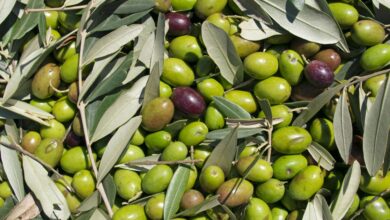
That thought has stayed with me throughout my studies and travels because olive oil begins long before the mill. It begins in the grove itself. In the health of the soil, the water retention and the biodiversity. In how the trees are cared for throughout the year and whether the producer is simply farming for yield or genuinely farming for quality.
Olive farming is not easy.
A producer spends an entire year working toward a harvest that can be affected by frost, drought, heatwaves, pests, unpredictable rain or strong winds at exactly the wrong moment. One difficult season can financially devastate a small producer. Yet despite this fragility, many continue because producing great olive oil is not simply agriculture. It is tradition.
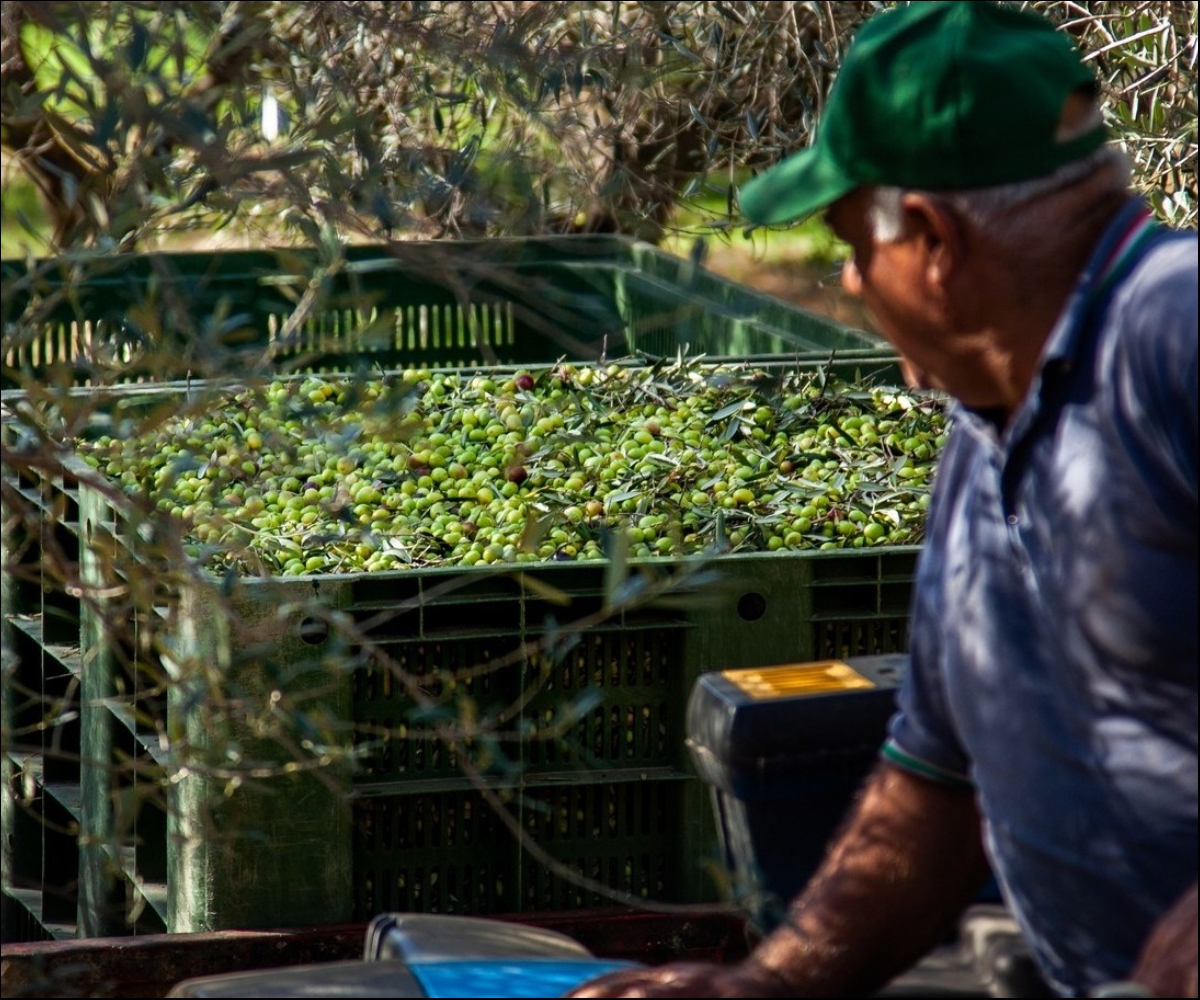
Consumers often see terms like “early harvest”, “cold extraction” or “single estate” on a bottle and understandably assume it is mostly marketing. But behind those words are hundreds of small decisions that directly affect the final oil.
From the second an olive leaves the tree, quality begins to decline. The olive is a fruit and, just like any fruit, it starts breaking down once harvested. Bruising, heat and poor storage accelerate fermentation and oxidation incredibly quickly. This is why some of the world’s best producers work with almost military precision during harvest season, and this is where I get very excited… As a previous precision driver, no one understands timing and accuracy as much as I do, I live for it.
In certain estates with their own mills, olives can be processed within thirty minutes of leaving the tree. Imagine that level of urgency. Teams harvesting at speed, tractors moving continuously, mill operators preparing machinery before the fruit even arrives. Everyone working against the clock.
Because once quality is lost, there is no getting it back. This is also why the mill matters so much.
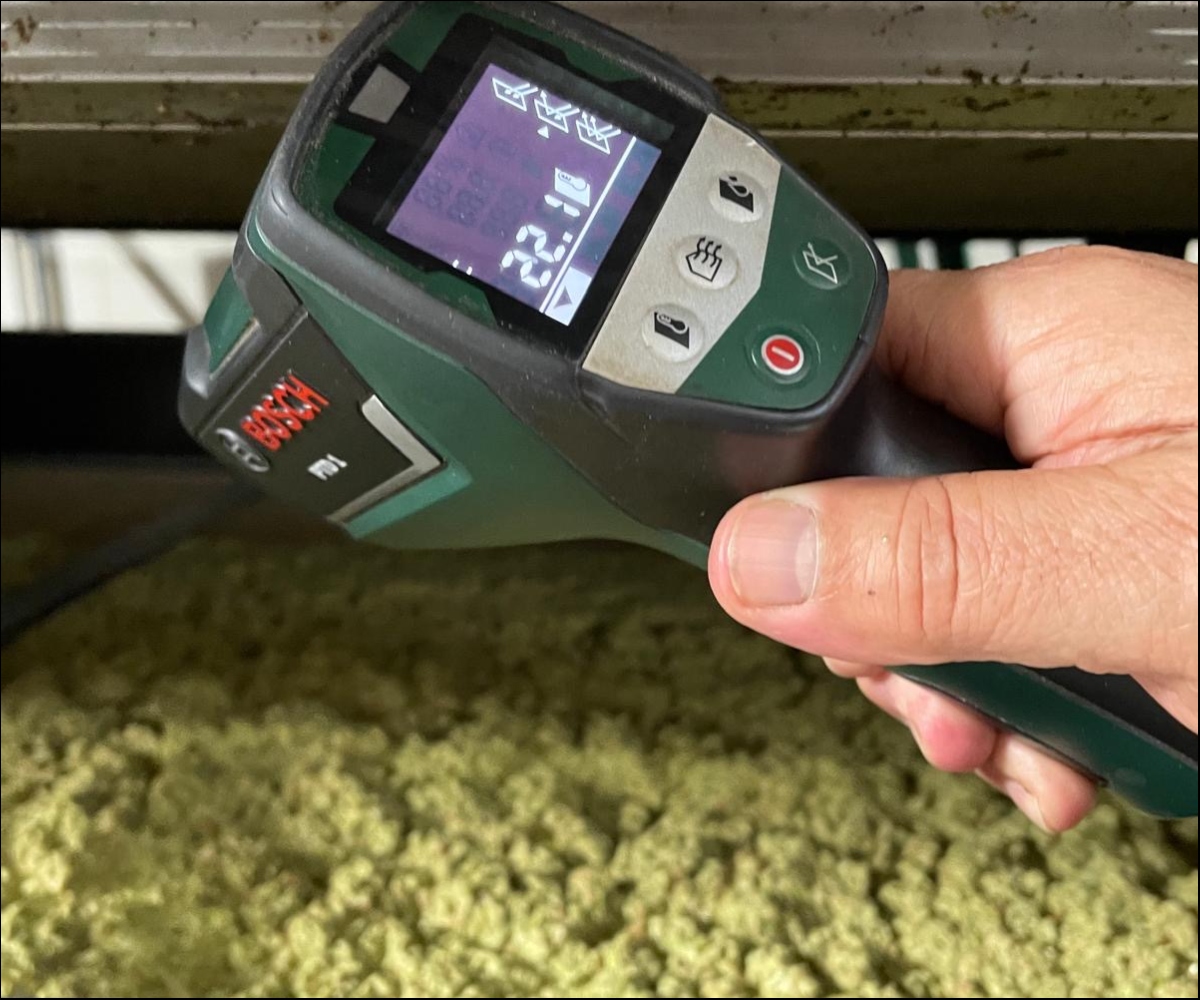
If you have ever stood inside a working mill during harvest season, you would understand very quickly that olive oil is not romantic in the way people imagine. It is loud. Fast. Physical. There are crates moving constantly, machinery working, producers tasting oils on the spot and workers monitoring temperatures almost obsessively trying to keep that sweet spot of under 27° although always the lower, the better.
And yet, somehow, it is still magical.
I still remember standing inside my first large co-operative mill just outside Jaén in Spain. Endless rows of olive receivers lining the building. Huge stainless steel inox tanks. The place was spotlessly clean despite the sheer scale of production. There was chaos, but also precision.
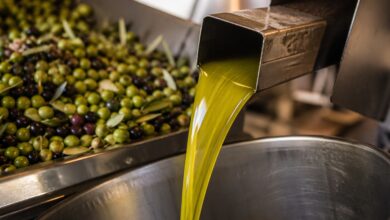
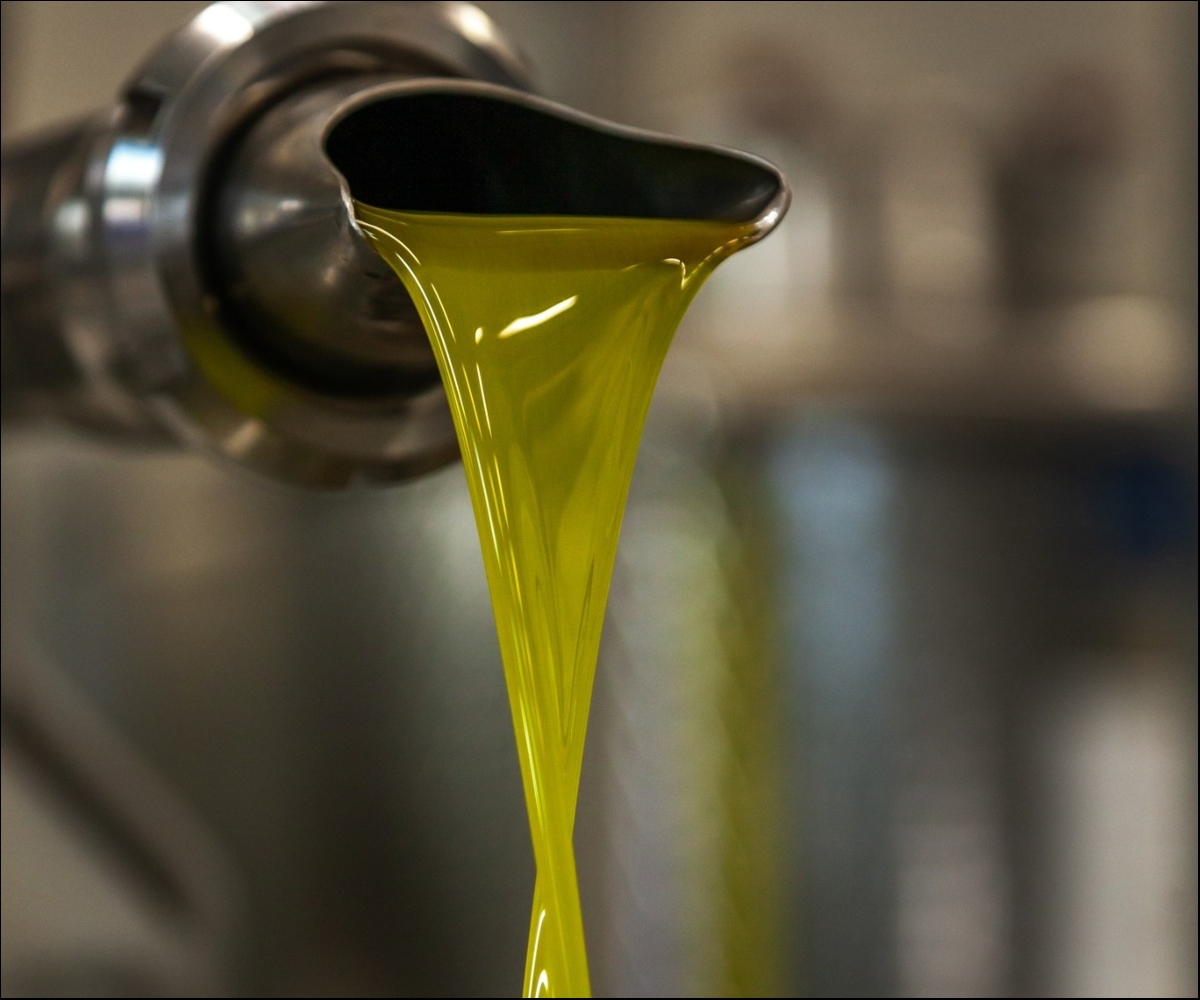
Then comes the moment every producer waits for… The first oil flowing from the decanter.
Fresh, electric green and intensely alive. They offered me some oil and I’d compare it to seeing your best friend’s baby for the first time at the hospital… it feels like you’ve been let into a best kept secret. It’s perfection, or at least the oil I’ve tried fresh off the “press”.
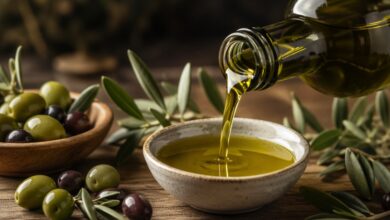
The smell is almost impossible to describe properly unless you have experienced it yourself. Tomato leaf. Fresh-cut grass. Green almond. Artichoke. Herbs crushed between your fingers. The aroma fills the room instantly and, for many people in this industry, that moment becomes almost sacred. Sometimes, if you are lucky, someone will have some fresh white bread for you to dip into the oil for a taste. Nothing in this world can beat that.
This is why I struggle when I see olive oil treated as just another shelf product. Because behind every genuinely great oil is an enormous amount of invisible work that consumers rarely see.
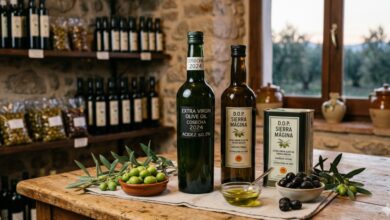
There are producers waking before sunrise during harvest season. Millers adjusting temperatures carefully to protect aromas and volatile compounds and finally farmers walking the groves throughout the year trying to maintain healthy soils and resilient trees. Good producers make difficult financial decisions to prioritise quality over volume. Even packaging becomes important. Light, heat and oxygen are the enemies of fresh extra virgin olive oil, which is why dark glass, proper tins and careful storage matter so much. A beautiful oil placed in a clear bottle under bright supermarket lights begins deteriorating long before most consumers ever open it.
This doesn’t mean consumers need to become experts. I think understanding a little more about the process changes the way we value extra virgin olive oil. Once you’ve stood in a grove during harvest or watched fresh extra virgin olive oil pouring from a mill, it stops feeling like it’s just another cooking ingredient. You begin to understand why producers speak about harvest season with equal parts emotion and exhaustion. You understand why some oils taste alive.
Finally and most importantly, you begin to realise that great extra virgin olive oil is not just manufactured… it is created by the people working in the background.