How do you start to write about something so ancient and sacred? How do you even begin to do it justice? I can’t, so I won’t even try. But what I can do is try talk about how these majestic trees affect the production of Extra Virgin Olive Oil and what they mean to me.
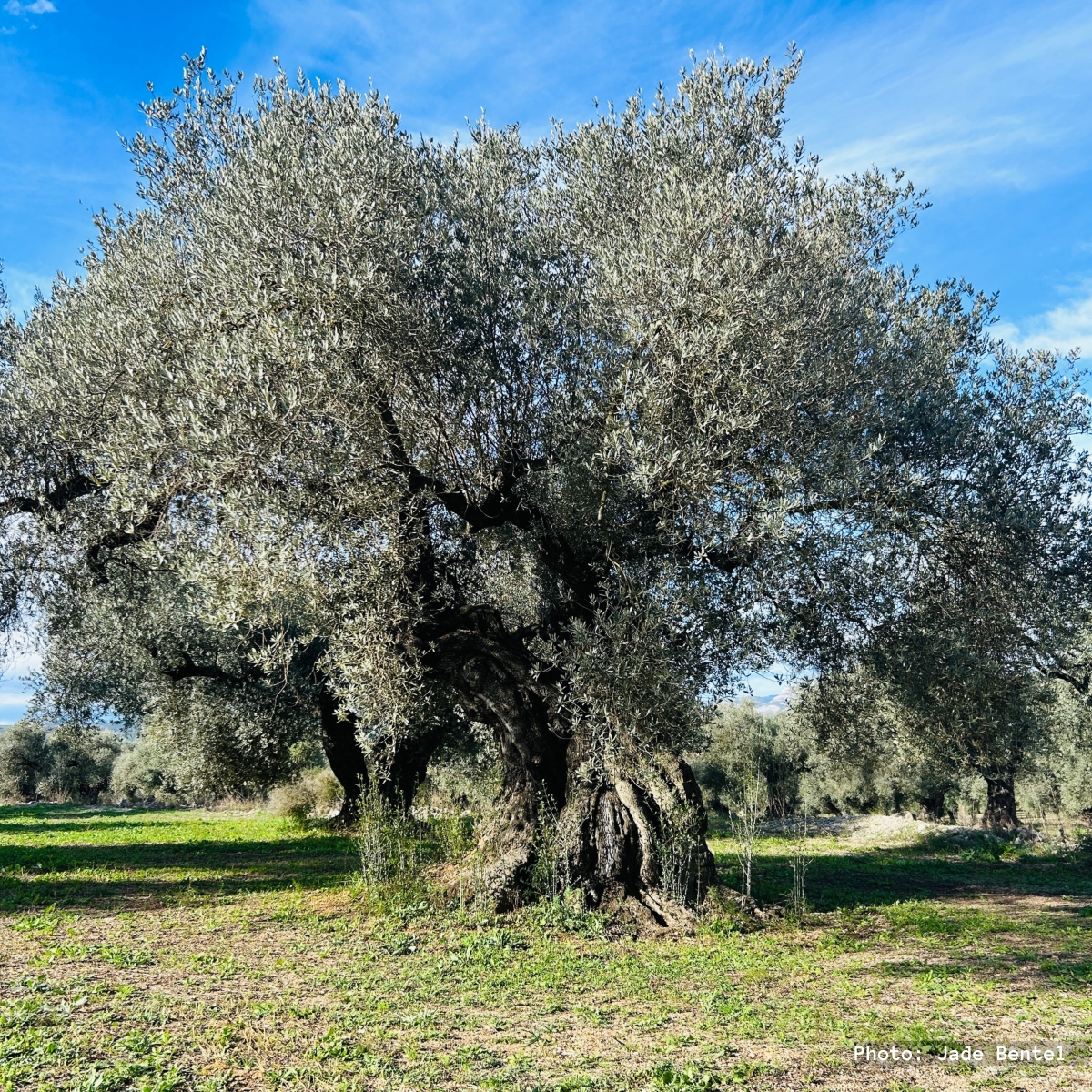
I’ll never forget the day we drove out of Valencia to visit the trees that had stood there for millennia. I stood beneath them feeling overwhelmed and grounded at the same time. These incredible trees had witnessed things no camera has ever captured, over a thousand years of human history. They would have stood through the era of Al-Andalus, the Christian reconquest of Valencia, wars, droughts, plagues, changing empires and even the Spanish Civil War. Generation after generation would have harvested them. My romantic side needed indulging so I even pictured lovers enjoying their shade and children running around the grove. Protected now, the grove is quiet and undisturbed. Not just anyone can swan in to enjoy these beauties. You need to be accompanied.
They are resting now and receiving care from the professionals.
A mixture of emotions washed over me as I sat quietly beneath them trying to hold back the tears. I realised that I shared a very special bond with these trees. I see them and, as “woo-woo” as it sounds, I feel seen by them too. When I first started writing for The Olive Feeling, I agreed with Yoni, its creator, that we would keep this column very human-centered and this is as human as it gets.
Firstly, I want to talk about the life cycle and seasonal rhythms of these trees because the science itself is proof of just how incredible they really are.
So here we go…
The story begins in the soil and you’d have heard me say that to know the oil you need to know the soil. An olive tree lives in cycles. Understanding those cycles changes the way you understand the oil completely.
During winter, olive trees enter a quieter phase known as dormancy. From roughly December through to February, metabolic activity slows dramatically as the tree conserves energy and begins preparing for the next season’s growth. Although the grove may appear quiet from the outside, a lot is happening under the surface. Root activity slows, carbohydrate reserves (during the growing season, the tree produces sugars through photosynthesis) accumulate and the tree enters a crucial recovery period that will ultimately influence the following harvest. Winter is also one of the most important working periods for producers. During these colder months, many growers begin pruning, improving soil structure, applying compost or organic matter and managing cover crops. These decisions have a direct impact on the quality of the oil produced months later.
Pruning, in particular, is far more than cosmetic maintenance. It directly affects sunlight penetration, airflow, disease pressure, olive ripening and ultimately oil quality itself. Too much shade within the canopy creates humid conditions that can encourage fungal disease and uneven ripening. A well pruned tree allows light to move efficiently through the branches while helping the grove breathe properly. Personally, I’ve always thought that a correctly pruned olive tree looks like a toddler who’s cut their own hair. It’s not perfectly round so sun and airflow can move organically.
An olive tree needs light almost as much as it needs water. As temperatures begin rising in Spring, the tree slowly wakes up. Sap flow increases, roots become more active and buds begin developing. This is one of the most sensitive stages in the entire olive cycle because what happened nutritionally months before, now begins revealing itself. Nitrogen becomes especially important during this period. Nitrogen supports vegetative growth, leaf production, chlorophyll formation, shoot development and flower formation. Without enough nitrogen, flowering can weaken, leaves may pale and yields can drop significantly. However, balance matters enormously in premium Extra Virgin Olive Oil production because too much nitrogen can actually become problematic and may encourage overly vigorous leafy growth while diluting fruit quality, lowering polyphenol levels and increasing susceptibility to pests and disease. Balance throughout is so important. This is something I find fascinating because modern agriculture often pushes the idea that more fertilizer equals better production. In high-quality Extra Virgin Olive Oil production, that is not always true.
As spring progresses, flowering begins. Olive trees produce thousands of these delicate flowers, yet only a tiny percentage will eventually become olives. It is one of the most vulnerable moments in the grove. Stable temperatures, balanced nutrition, sufficient water and healthy pollination conditions suddenly become incredibly important. Heat waves, strong winds or heavy rain during flowering can dramatically reduce the season’s production before fruit has even formed. One thing many people do not realise is that olive trees are primarily wind pollinated. The pollen moves through the air itself. Some varieties are partially self-fertile while others perform better when cross-pollinated with nearby cultivars. Koroneiki, for example, can self-pollinate but often benefits from pollinators nearby, while Manaki is not strongly self-fertile and benefits greatly from cross-pollination. This matters in grove planning because poor pollination means poor fruit set.
Once flowers are fertilised, tiny olives begin forming and the tree enters another critical stage of development. Potassium now becomes especially important. Potassium plays a major role in fruit development, oil accumulation, water regulation, enzyme activity and overall stress tolerance. Low potassium can reduce oil yield, weaken fruit formation and leave trees less resilient during periods of drought and the intense Mediterranean heat. This is where water becomes part of the conversation. Olive trees are drought tolerant, but drought tolerant does not mean drought-loving. There is a romantic idea that olive trees thrive purely through neglect, surviving miraculously in dry rocky landscapes without support. While olive trees are incredibly resilient, severe water stress weakens the tree, reduces yield and affects fruit development. Mild stresses can sometimes concentrate phenolic compounds and contribute to more robust oils with greater bitterness and pungency, but extreme stress creates imbalance. The best producers are not starving trees. They are carefully managing stress (kind of like therapists) ha!
At the centre of all of this lies the soil. Healthy soil is not just soil. It is a living ecosystem. It regulates water, stores minerals, supports microbial life and directly influences the health and resilience of the tree above it. Soil affects root health, nutrient uptake, water retention and even how effectively trees communicate with surrounding microbial networks underground through mycelium links. Olive trees also despise waterlogged conditions because roots need oxygen. Poorly draining or compacted soils can suffocate root systems and increase disease pressure. Many exceptional groves are planted in rocky, mineral-rich, well-draining soils that force roots to travel deeper into the earth in search of water and nutrients. Deep roots create stronger, more resilient trees over time.
Organic matter plays a huge role here too. Compost, mulching, decomposed plant material and cover crops improve microbial life, soil structure, water retention and nutrient cycling. Increasingly, many high-quality producers are planting legumes, grasses and wildflowers between rows to support biodiversity, prevent erosion and naturally improve soil health. Legumes are particularly interesting because they can biologically “fix” nitrogen back into the soil, reducing dependence on synthetic fertilisers.
In conclusion, the grove is like a microbiome a lot like our gut health. The olive grove is alive with fungi, bacteria and microorganisms constantly interacting beneath the surface. These microbial communities help with nutrient cycling, disease resistance and soil fertility and the PH of the soil. A dead soil often creates weaker, more dependent agricultural systems. Living soils create healthier and more resilient groves. By summer, oil begins accumulating inside the fruit itself. Sunlight, hydration, photosynthesis, temperature and overall tree health now heavily influence the final character of the oil. Harvest timing becomes one of the producer’s most important decisions. Early harvest olives tend to produce greener, more herbaceous oils with higher polyphenol content, greater oxidative stability and more pronounced bitterness and pungency. The trade-off is lower yield. Late harvest olives generally produce softer, milder oils with higher extraction yields but often lower polyphenol levels. This is where quality and economics can become a challenge. Many premium producers willingly sacrifice quantity for quality.
Of course, even perfect fruit can still be ruined after harvest. Once olives leave the tree, oxidation begins immediately. Olives ideally need to be milled within hours because poor storage before milling can quickly create defects such as fustiness, mustiness or winey-vinegary notes.
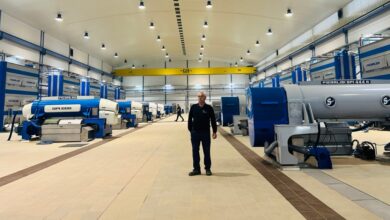
The mill matters so much although that’s a story for another day. We are talking groves today…
When we taste a truly exceptional Extra Virgin Olive Oil, we are tasting far more than olives. We are tasting rainfall, sunlight, pruning, microbial life, pollination, harvest timing, stress, soil composition and an entire year of agricultural choices.
The bottle is the final chapter and a years’ worth of work and tough decisions. The real story always begins in the soil.