When you buy a bottle of Maknoon, you’re not really buying olive oil. You’re buying the integrity of a woman who refuses to cut corners.
Most premium olive oil brands are built by people who discovered olive oil. Hanan Wehbi grew up with it. As a child in Lebanon, she handpicked hibiscus and chicory leaves to help prepare lunch for her four siblings. She bathed in Arabic homemade soap made at home. She learned early what it meant to care for something, to grow it with your hands, to understand that what you create has to be worthy of the effort.
That childhood never left her. After 30 years in Dubai, the longing for those flavors was so specific, so real, that she couldn’t ignore it anymore. But she didn’t just want to feel better. She wanted to solve something true.
She noticed other Lebanese, Palestinians, Syrians doing the same thing she did, asking friends returning home to bring back olive oil. Not just any oil. The oil that tasted like memory. Like earth. Like peace. She realized that longing wasn’t personal nostalgia. It was a problem she understood from the inside.
This is what makes Maknoon different: Hanan doesn’t have to guess what her customer needs. She is her customer.
That’s not marketing. That’s honesty.
She became a sommelier. Not to sell better. To choose better.
She trained to become one of the first Arab olive oil sommeliers in the region. She learned to identify polyphenol levels, acidity rates, balance. But here’s what matters: she didn’t use that knowledge to complicate the product. She uses it to be the human guarantee behind every bottle.
When Maknoon says the oil is extra virgin and cold-pressed, it’s not a certification on a label. It’s a woman who knows the difference saying “I’ve tasted this, I’ve tested this, this is good.” You’re not trusting a brand. You’re trusting her palate. Her standards. Her refusal to lie.
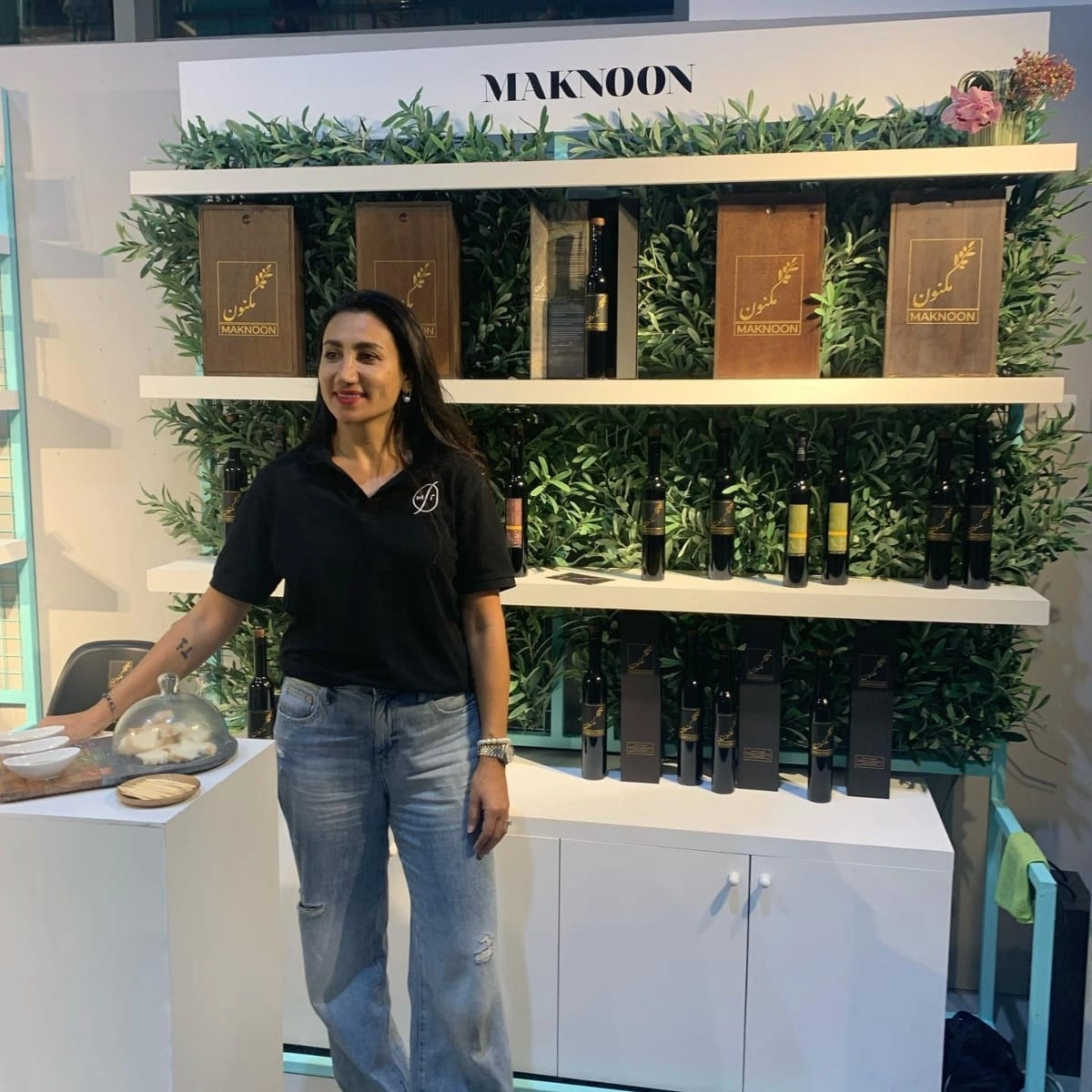
She moves slow on purpose. And that’s the entire product promise.
In one interview, Hanan talks about the danger of speed. She’s learned that if you rush to make a business succeed, you end up with the wrong suppliers, wrong products, wrong customers. She’s learned that haste is the enemy of sustainability.
This matters because it means: the farmers aren’t being pressured to produce more than their land can give. The quality isn’t being sacrificed for volume. The story isn’t being bent to fit a market. When you buy Maknoon, you’re buying something that exists because someone refused to hurry it into existence.
That’s uncommon. Most brands can’t afford to move slowly. Most founders need the money too badly. Hanan has peace. She said so explicitly: “I trust that what’s meant for me won’t pass me by.”
When someone has that kind of faith, they can make decisions that are good instead of decisions that are profitable. The product is the proof.
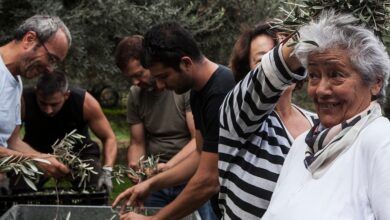
She treats the granjeros like family. Not because it’s good optics. Because it’s how she was raised.
The farmers who produce Maknoon’s oils are paid what they ask. They’re paid upfront. When the Lebanon blast happened, she donated 50 percent of profits to relief. She plants a tree in Palestine for every bottle of Palestinian oil sold.
You could call this a sustainability strategy. But that’s not what it is. It’s how someone who grew up watching her grandmother care for the land naturally thinks about the people who work the land.
This means the hands that harvest the olives you’re about to taste are hands that have been respected. That have been supported. That have been honored. In a world where agricultural labor is often invisible, Hanan makes it visible. Because she can’t unsee it. She comes from that world.
The oil tastes different when it comes from hands that are treated well. Maybe it’s real. Maybe it’s psychological. But it’s true either way.
She refused to replicate what already exists. She created something born from what she actually needed.
Maknoon brings together olive oil from Lebanon, Palestine, and Syria in a way that speaks directly to diaspora communities. Not because it’s a marketing idea, but because it’s true to her own need. After 30 years away, she understood what her community was missing. She created that.
“Don’t compare yourself to others,” she says. “There is no secret formula. You must create your own flavor and your own recipe for success.”
When your founder actually believes that, you end up with something that makes sense only if you understand where it comes from. Something that couldn’t exist without her specific history and her specific longing.
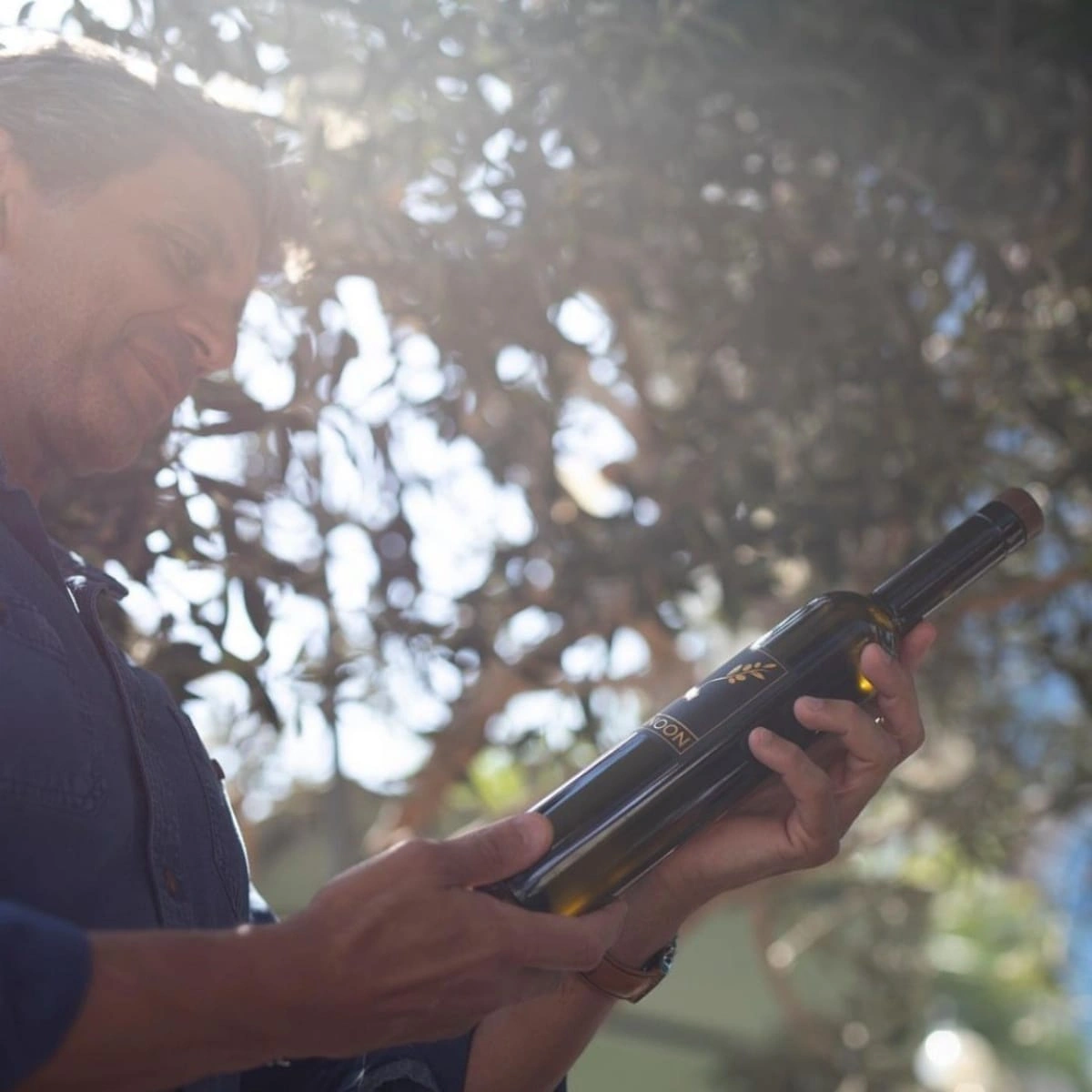
She keeps her spirituality. And that makes the product sacred instead of commercial.
Hanan describes olive oil as “the most sacred, most cherished produce of my land.” She doesn’t say this to sound poetic. She means it. Her spirituality is how she stays grounded when building a business. It’s how she manages stress. It’s how she makes decisions.
This matters because you can feel when something is made by someone who thinks it’s sacred. You can taste it. Sacred things are made differently. They’re handled differently. They’re given to people differently.
When she packages Maknoon, she’s not packaging a luxury item. She’s packaging what she calls “a gift from mother earth.” That’s not a slogan. That’s her actual belief. And that belief lives inside every bottle.
What you’re really buying is her refusal to compromise.
Maknoon could be bigger. It could move faster. It could compromise on the farmers, on the quality, on the story. But Hanan won’t. Not because she can’t afford to. But because she doesn’t believe in it.
That’s the actual product advantage. Not the tasting notes. Not the sustainable packaging. Not even the olive trees planted in Palestine.
The actual advantage is that you’re buying from someone who will choose integrity over growth. Someone who will discontinue a product if it doesn’t align with her values. Someone who pays the farmers what they ask before she thinks about her margins.
In a market full of claims about authenticity, what Hanan offers is this: she cannot compromise because it would contradict who she is. It’s not a strategy. It’s a constraint she chooses.
That’s what makes it meaningful.
That’s what makes it PURE, HONEST, ABSOLUTE.