There are moments in life when something small unsettles you in a quiet but persistent way. Not loudly, not dramatically, just enough to make you feel that something is not quite where it should be. Most people move past it. A few decide they cannot.
For Youssef Kass Hanna, that feeling began with taste. Not in Lebanon, where olive oil had always been part of life in its most natural form, and not in childhood, where it was simply present on the table, in the kitchen, woven into daily rituals without needing explanation. It appeared later, unexpectedly, during a trip to Greece. A single tasting that did not just surprise him, it reminded him. It was not about discovering something new, but about realizing something had been lost.
Back in Doha, that realization became harder to ignore. Finding olive oil that felt real, alive, honest, familiar, was not as easy as it should have been. What was missing was not only flavor, but connection, origin, and truth. So he stopped searching and decided to build it himself.
ZAY did not begin as a business idea. It began as a response. A personal refusal to accept that something so deeply rooted in identity could become diluted, misunderstood, or reduced to a label on a shelf. Youssef, a third generation producer, inherited more than olive groves. He inherited a way of seeing the land, a way of waiting, and a way of respecting time.
Still, inheritance alone was not enough. He wanted to understand more deeply what he had grown up with, to give structure to intuition. That path led him to Tuscany, where he became a certified olive oil sommelier. Not to replace tradition, but to refine it, to translate generations of experience into a language the world could recognize.
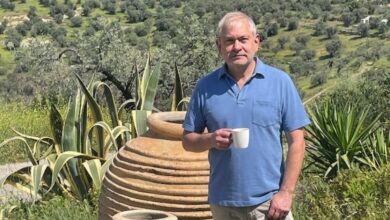
Everything, however, leads back to Zgharta. To trees that have stood for centuries, some for more than five hundred years. To soil that does not need explanation because it speaks through what it produces. To the Souri variety, one of the oldest in the world, quietly carrying history in every harvest. ZAY is built around that place, not as an idea, but as a commitment.
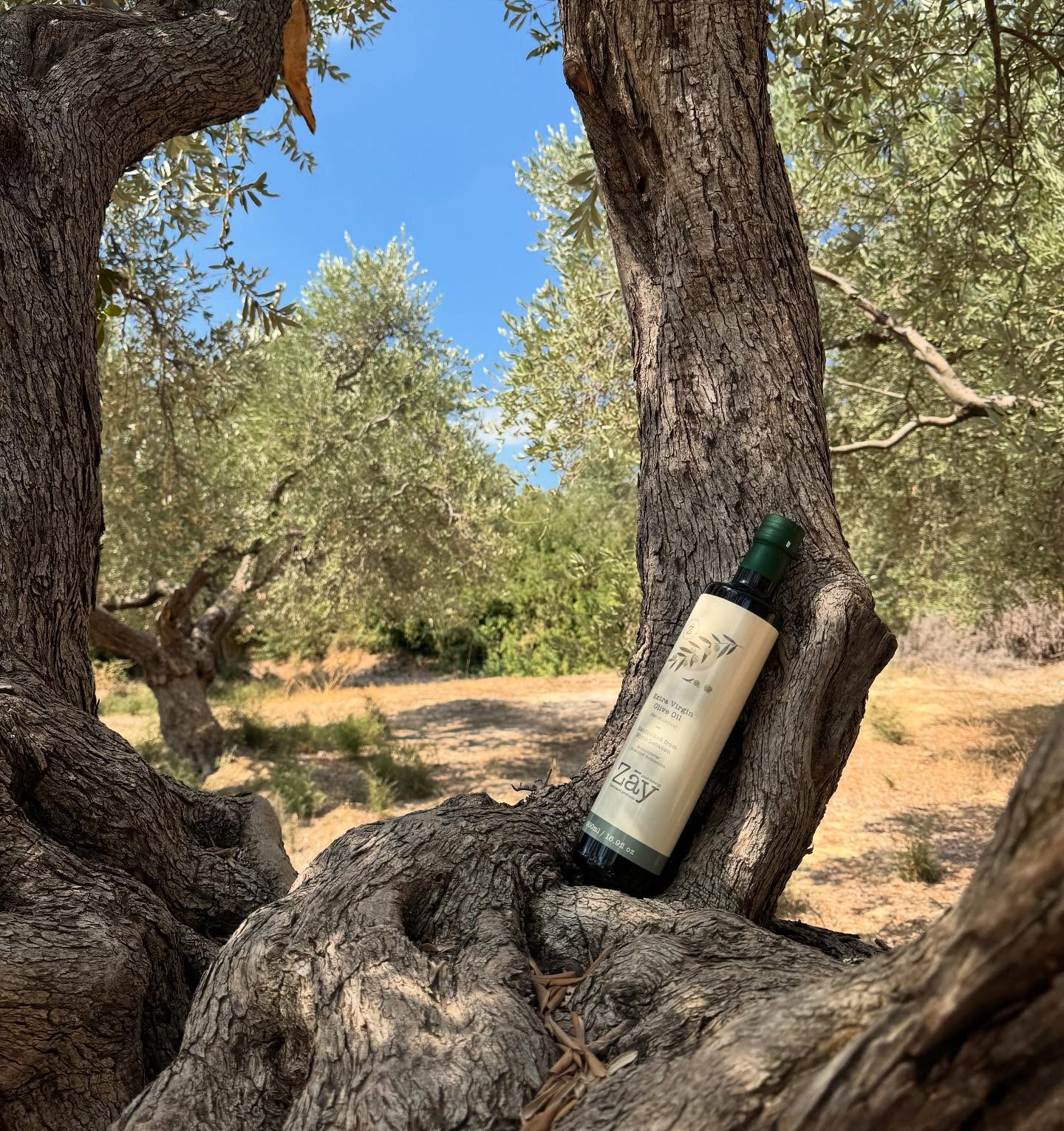
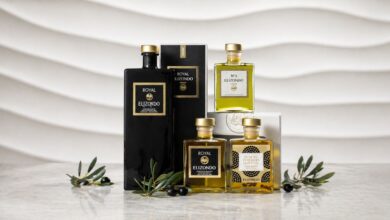
Every decision reflects that intention. Early harvesting, not for trend but for integrity. Cold extraction within hours, not for marketing but because anything slower would mean losing something essential. Full traceability, not as a feature, but as a statement that there is nothing here to hide. Beyond process, what defines ZAY is clarity. Clarity about what olive oil is meant to be, where it comes from, and why it matters.
There is also a deeper layer, less visible but just as present, a sense of responsibility. Not just to produce oil, but to preserve understanding. To speak about olive oil in a way that reconnects people with it. For Youssef, this is not only about bringing Lebanese olive oil to the world, but about restoring a relationship many people did not realize they had lost.
When ZAY received international recognition early in its journey, it carried a different kind of meaning. It was not validation of success, but confirmation that staying close to the truth still resonates. That choosing patience over shortcuts still matters, that origin still has weight, and that people can feel the difference.
In the end, this is not simply the story of a brand. It is the story of a decision to return to something real, and to protect it with intention. Because sometimes, what feels missing is not gone. It is simply waiting for someone to care enough to bring it back.