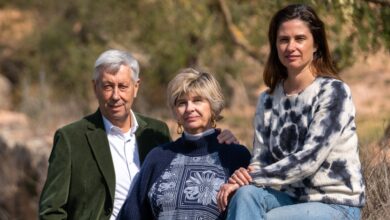
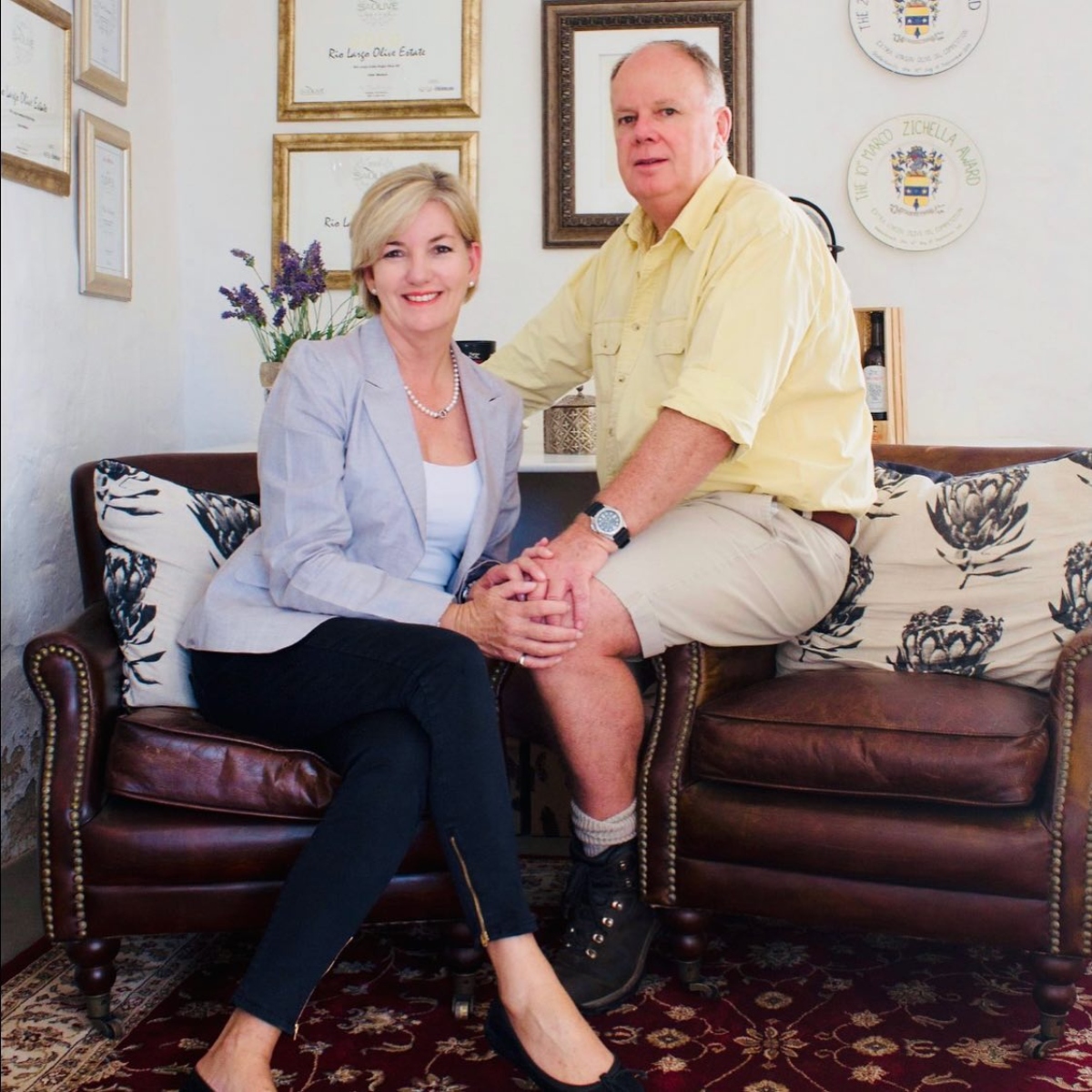
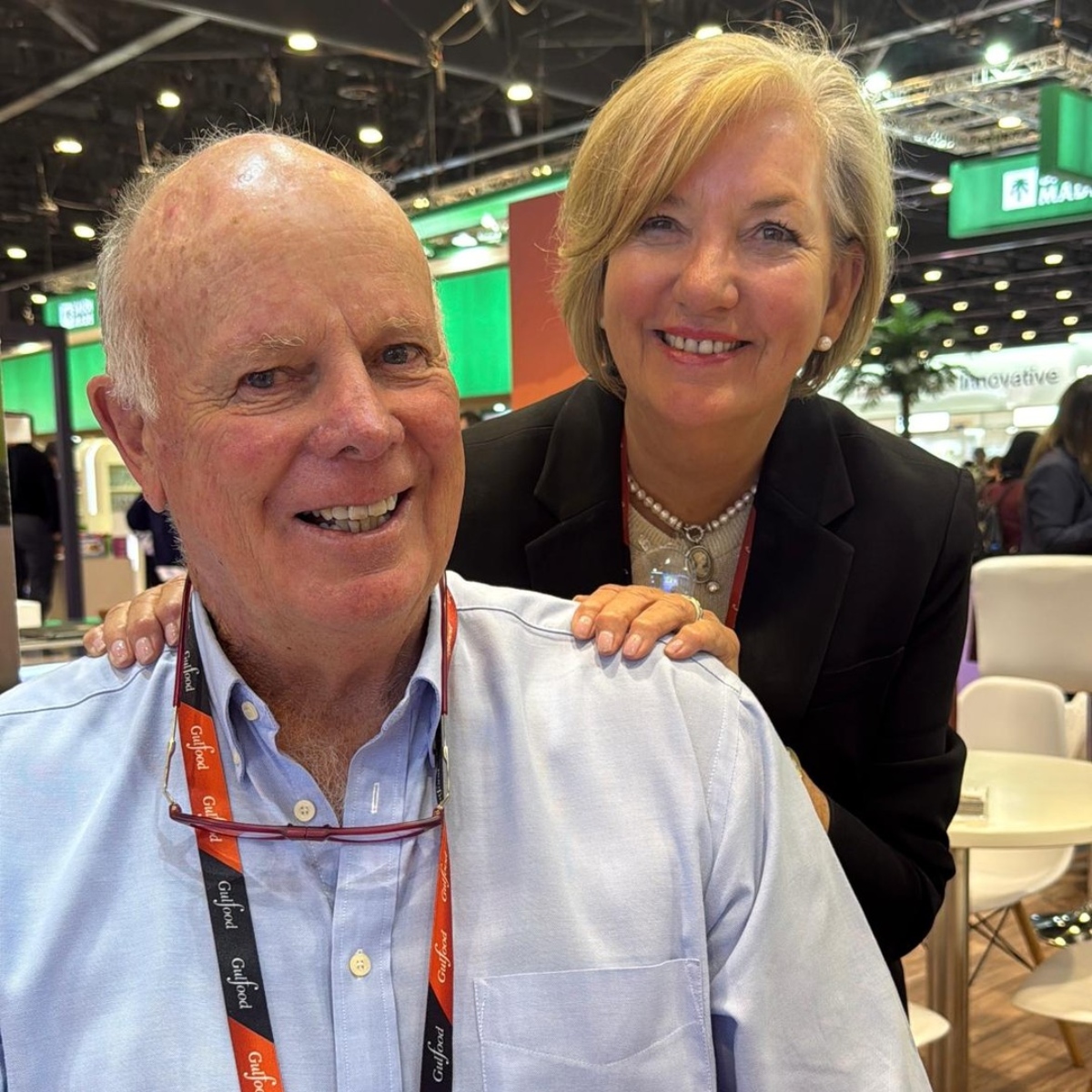
There is a moment, somewhere between a life you know and a life you haven’t yet imagined, when you either turn back or keep going. Nick and Brenda Wilkinson have spent their entire adult lives choosing the second option.
In 1990, they left South Africa for what was supposed to be a two-year adventure in Central Africa. They stayed for twenty.
Twenty years, one continent, and a question
Those two decades were not quiet ones. Nick, a Chartered Accountant with a rare ability to make agriculture profitable, rose to lead one of the largest farming operations on the continent, managing production across Malawi, Zambia, Mozambique, Tanzania, and Uganda. Tea, coffee, macadamia nuts, tobacco, cotton, broad-acre grain. He didn’t just manage these operations. He transformed them.
Brenda was beside him the whole time. A teacher by training, an entrepreneur by nature, she built her own role in each new place they landed, finding ways to be useful, to connect, to contribute. Together they made a life out of reinvention.
But by 2010, something had shifted. Twenty years is a long time to work for someone else’s vision. They were ready to build something of their own.
The question was: what?
A doctor’s advice and a farm for sale
The answer came, as it sometimes does, from an unlikely direction.
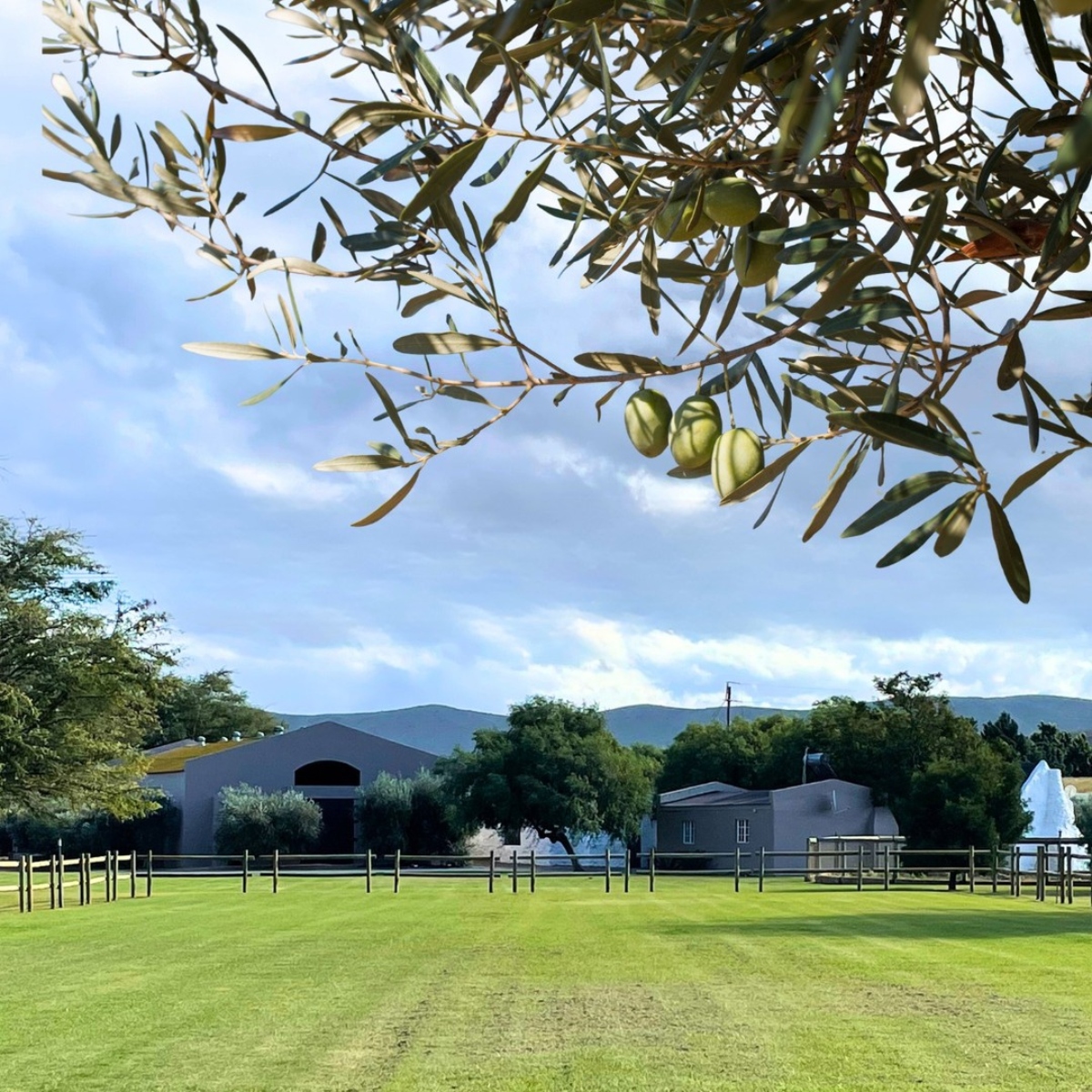
Nick’s doctor told him to put more olive oil in his diet. His cholesterol, his blood pressure. The usual reasons. Nick, who had been studying olive farming quietly since 1997, started paying closer attention. And then, almost at the same moment, a farm came onto the market. An olive estate on the banks of the Breede River in South Africa’s Western Cape, already planted with 18,000 trees.
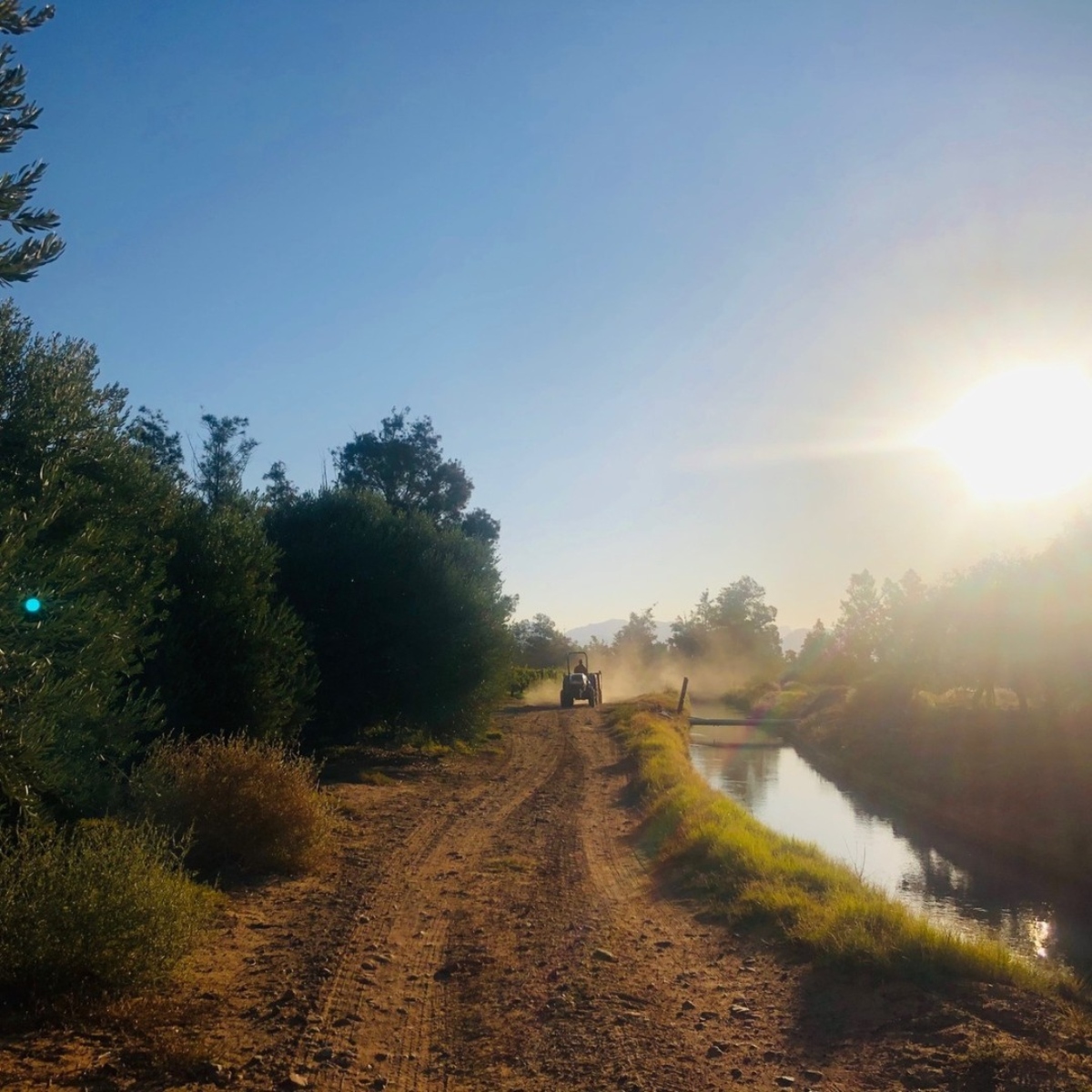
It was, as Brenda puts it, serendipity at its best.
They bought it from Carlos Raposa, a proud Portuguese man who had developed the estate since 2003. He had named it Rio Largo, meaning “wide river” in Portuguese, a tribute to the Breede that borders the property. His surname, Raposa, means “fox” in Portuguese, and that red fox would become the face of everything they built. They kept it. It felt right.
“We never really thought we would ever create a brand,” Brenda recalls. And yet, here they were.
From executives to makers
What happened next surprised even them.
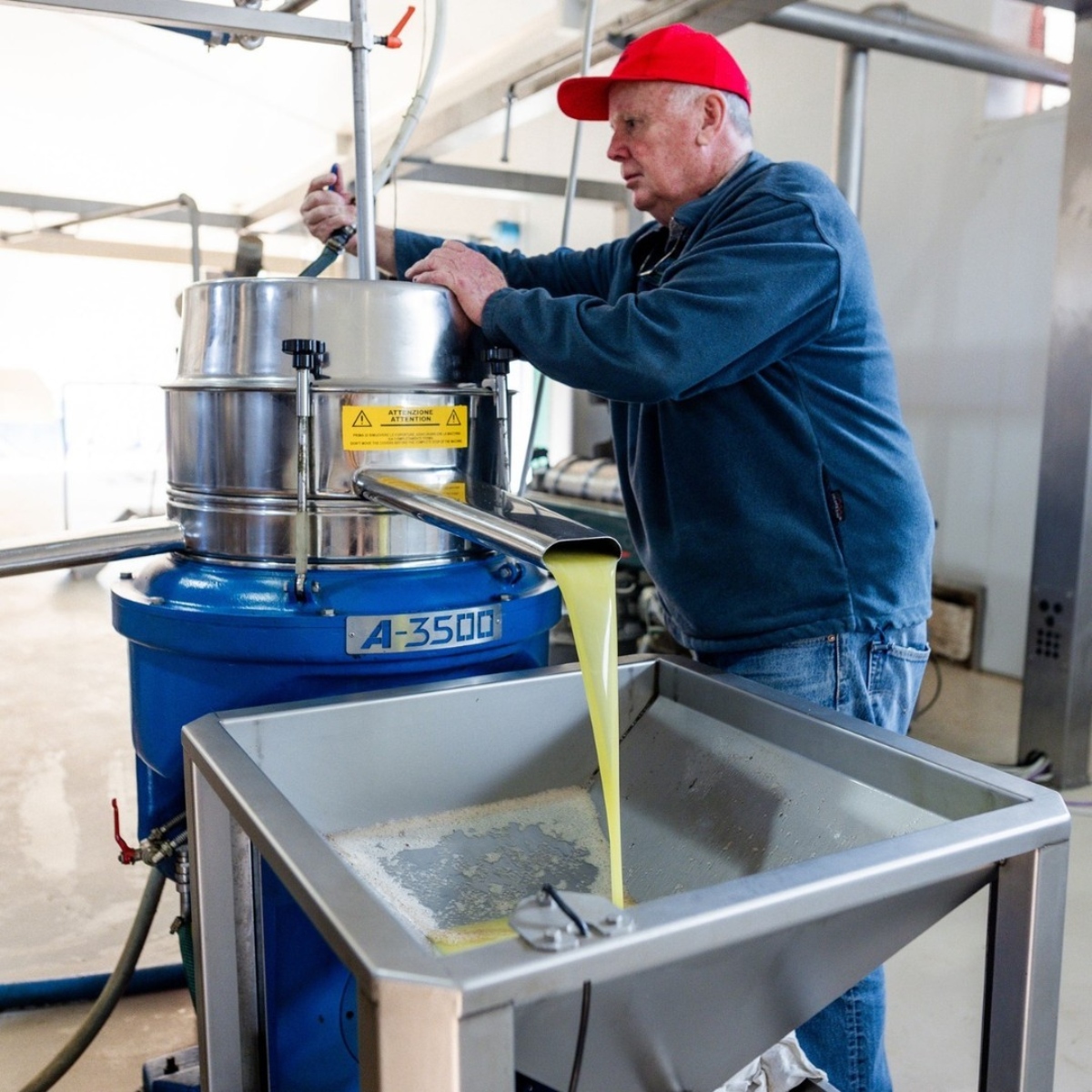
Nick, the accountant who had spent decades reading balance sheets, became obsessed with olive oil. Not with the business of it, but with the craft. He commissioned Giorgio Mori, one of Italy’s top producers, to install a state-of-the-art processing plant on the estate. Mori then followed Nick’s progress via cameras linked back to Italy, guiding him remotely until Nick had absorbed everything he needed to know.
He went further. Nick earned his Master Miller certification from UC Davis, one of the most respected olive oil programs in the world. The man who once restructured tea and tobacco operations across five countries was now spending his early mornings and late nights in a mill in the Western Cape, learning to listen to olives.
“We were virgin olive oil connoisseurs and bought, as most consumers do, choosing a pretty bottle,” Brenda explains. “We never suspected for a minute that he would take on the production of extra virgin olive oil as he did.”
But he did. And it showed from the very first harvest.
The double gold that nobody came for
After the 2010 harvest, Nick sat alone for hours with the oils he had produced, blending them the way a winemaker would. Adjusting. Tasting. Starting again. He entered the result into the SA Olive Association Awards.
It won a Double Gold. The first ever awarded. The judges said no oil had ever smelled quite like it, that the aroma of freshly cut grass on opening the bottle was something they hadn’t encountered before.
Nick was elated. And then they waited for people to come.
Nobody did.
“It meant very little to anyone else,” Brenda says, “as so few folks even knew what is involved in the production of award-winning olive oil. We expected everyone to come to the estate in search of this liquid gold, but alas, no one did.”
That moment, the gap between what they had made and what the world understood about it, became the engine of everything that followed. They didn’t retreat. They decided to close the gap themselves.
Two people, one operation
Rio Largo works because Nick and Brenda are genuinely different, and genuinely complementary.
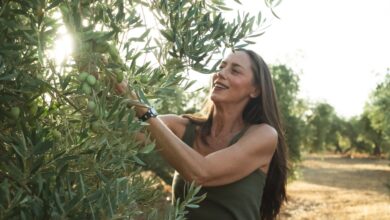
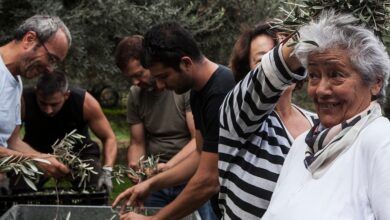
Nick’s world is the mill, the trees, the blend. He oversees the farming practices that ensure each harvest reaches its potential. The 18,000 trees, planted with four Italian cultivars including Frantoio, Leccino, Coratina, and FS-17, are pruned after every harvest and fed with compost produced on the estate. The olives are handpicked and taken to the mill the same day. The oil is extracted cold, stored under liquid nitrogen in stainless steel tanks, and packed only on order. Nothing waits. Nothing is left to chance.
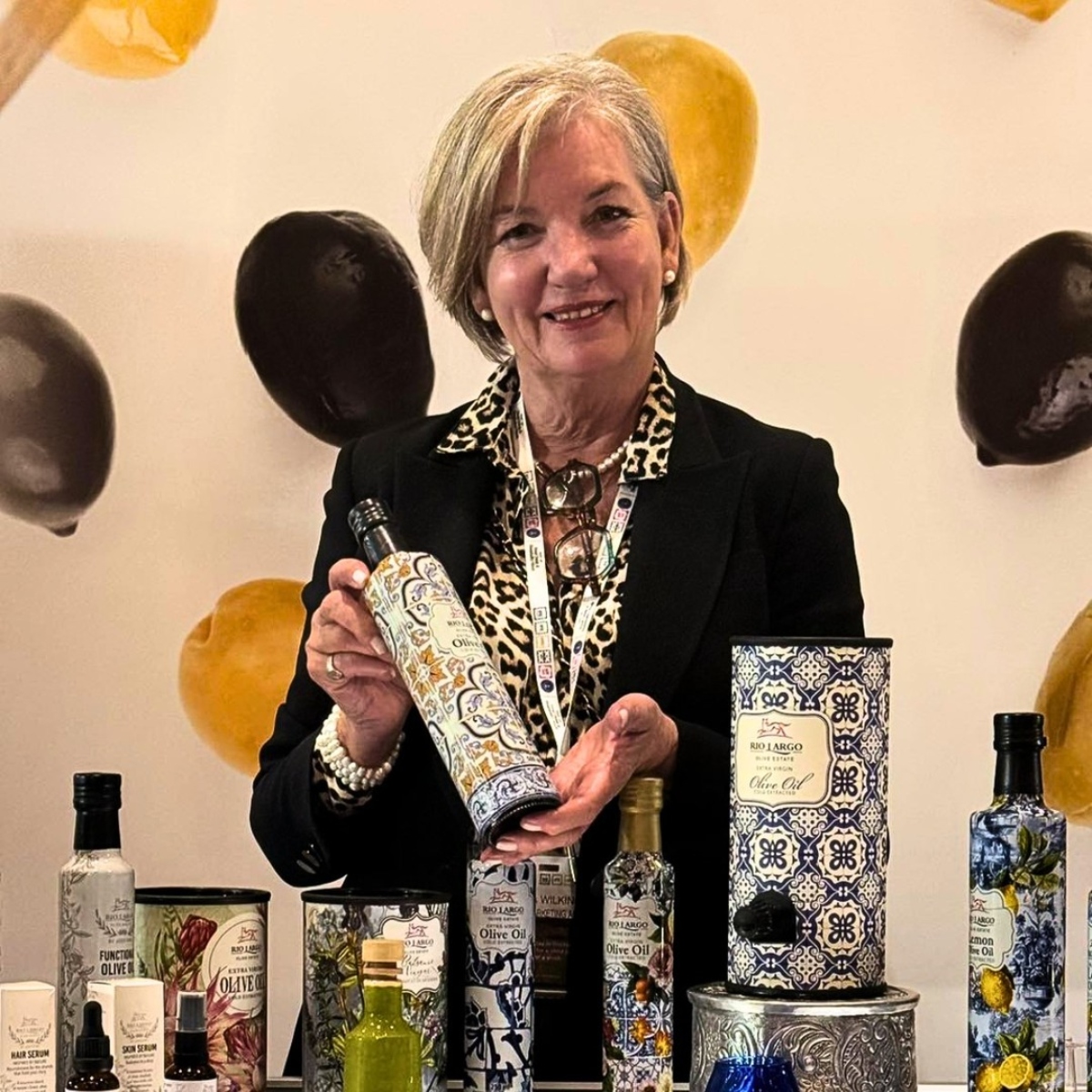
Brenda’s world is everything else. Marketing, deliveries, collections, and what she describes simply as “do it all.” She is also, by her own account, the one who keeps everyone going with a strong cup of coffee.
But both of them will help with packing, invoicing, and deliveries when it’s needed. That is not a detail. In an industry where distance from the product is often the point, Nick and Brenda have chosen closeness. From tree to table, they are present at every step.
What the world said back
Since that first Double Gold in 2010, Rio Largo has been recognized at competitions in New York, Japan, Italy, Amsterdam, and the UAE. One year, they won Best in Class in New York. A small South African estate, run by two people and a dedicated team, taking the top trophy in its category in one of the world’s most competitive olive oil markets.
In 2022, Flos Olei, the Italian olive oil guide considered among the most authoritative in the world, awarded Rio Largo Best Medium Blend. Italy, the country whose cultivars fill Rio Largo’s groves and whose traditions shaped Nick’s craft, was giving the award back to South Africa.
There was also a Children’s Award in France in 2020, which Brenda mentions with particular warmth. “The oil is so delicious and the children told them so.” Of all the trophies, that one carries something different.
What they are really offering
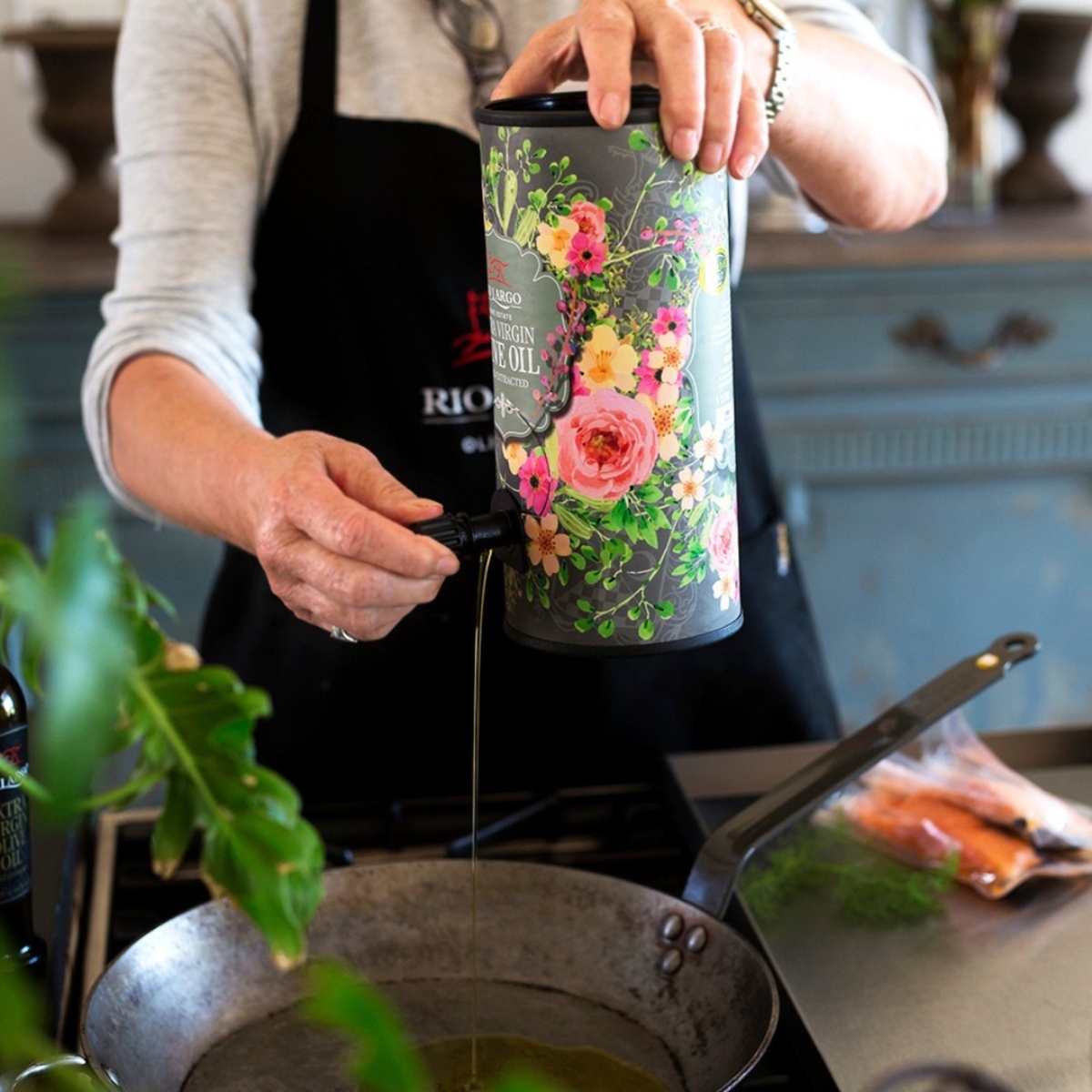
Rio Largo’s oil comes in bottles and in bag-in-box decanters that Nick and Brenda helped pioneer in South Africa, designed to protect the oil from heat, light, and oxygen so it stays fresh to the last drop. There are over 40 designs in the catalogue. Each one has the red fox.
“If there’s no fox on the label, it’s not Rio Largo,” Brenda says.
But what they are really offering is harder to put on a label. It is the product of two people who gave twenty years to someone else’s dream and then spent the next chapter building their own, carefully, without shortcuts, on the banks of a wide river in the Western Cape.
They believe in what they make the way you believe in something you had to earn. Nick takes a spoonful of olive oil every morning before breakfast. Brenda does too. Not as a routine. As a conviction.
A different kind of adventure
The two-year adventure that became twenty years in Africa is now something else entirely. It is rows of olive trees pruned by hand each season. It is a mill that runs through the night during harvest. It is a couple who still does the deliveries themselves when it comes to that.
Nick and Brenda Wilkinson did not set out to become olive oil producers. They set out to live fully, and olive oil turned out to be where that road led.
The wide river is still there. So are they.