When I write, I write from the heart. Before I type a single word, I try to feel how the olive oil was produced. I imagine the grove, the chaos of harvest, the conversations between the people who care for the trees and the thousands of small decisions that eventually find their way into the bottle.
While writing this piece, I caught myself smiling like a complete dork the whole time. The story is beautiful, and it’s exactly what so many groves throughout the Mediterranean are lacking: the next generation willing to take things over.
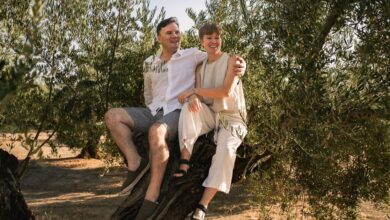
Just as I write from the heart, Daniela and Gianna produce their extra virgin olive oil from exactly the same place: the heart.
I know this because I was lucky enough to spend an hour with them over Zoom before writing this piece, and almost immediately it stopped feeling like an interview and started feeling like a conversation with old friends. We laughed, they finished each other’s sentences and spoke about their EVOO with such pride that I completely understood why I’d spent the entire time smiling while writing this article. Every part of their production feels thoughtful, and every decision is made with intention.
It’s no surprise, then, that when you spend five minutes on their website or Instagram, you’ll notice something so refreshing. The spotlight almost never stays on the sisters. It keeps shining on the people harvesting the olives and on everyone who makes each season happen. Nobody is treated as background scenery and Piquetberg is a brand that truly understands that. Even my friend Louw Kotzé, chef and co founder of Sibling in Cape Town, agrees. It’s his EVOO of choice, and we both absolutely love it.
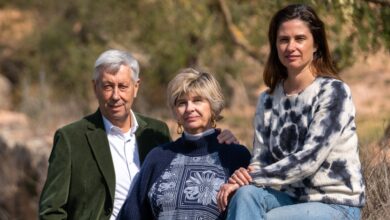
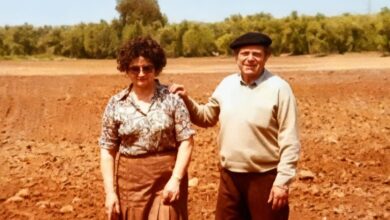
Agtervlei Farm lies in the Piquetberg region of the Western Cape, where long, dry summers and cool, wet winters create conditions that olive trees thrive in. It was here that their father, Adriaan, began producing olive oil in 2012. What started as a passion project slowly evolved into something much bigger.
Daniela and Gianna grew up with an Italian mother, which meant they learnt from a young age what every serious food lover eventually discovers: the best meals aren’t about quantity; it’s about a handful of beautiful, high quality ingredients treated with respect. Good olive oil, good bread and people you love have a way of creating memories around the table that elaborate meals struggle to do.
Today, they share those lessons by opening their harvest to the public for a select few days each season, and I think it’s a beautiful way of bringing people back to the roots of producing our own food or, in this case, extra virgin olive oil. For years, the family’s EVOO was something shared around the dinner table and handed to friends with the inevitable words, “Take a bottle home.” Then the sisters thought: why should this only belong to friends and family? Why shouldn’t more people get a seat at the table?
That dream to share what their father had created became Piquetberg Olive Oil. I think that’s a really solid reason to start a business, and I don’t want to reduce what they’re doing to “just business,” because it’s more than that.
The more I learnt about Piquetberg, the more one word kept surfacing: generosity. They celebrate the people around them as much as they celebrate the harvest. Success is never presented as an individual achievement but as the result of many hands working together. In an age where brands are so often built around single personalities, Piquetberg feels different. It feels like a team, and that’s incredibly rare.
I believe the land rewards good people. Not in an out-there kind of way, but because agriculture is sentimental and, as crazy as it sounds, I’ve seen it. Groves respond when they’re taken care of, and I truly believe generosity travels. When people feel valued, they work more carefully, they notice the fruit someone else would’ve missed and they take pride in their work. Those hundreds of thoughtful decisions begin to accumulate, season after season, until eventually they find their way into the bottle. I really think that’s what we’re tasting: the sum of hundreds of attentive decisions made by people who had reason to care and want to produce something exceptional.
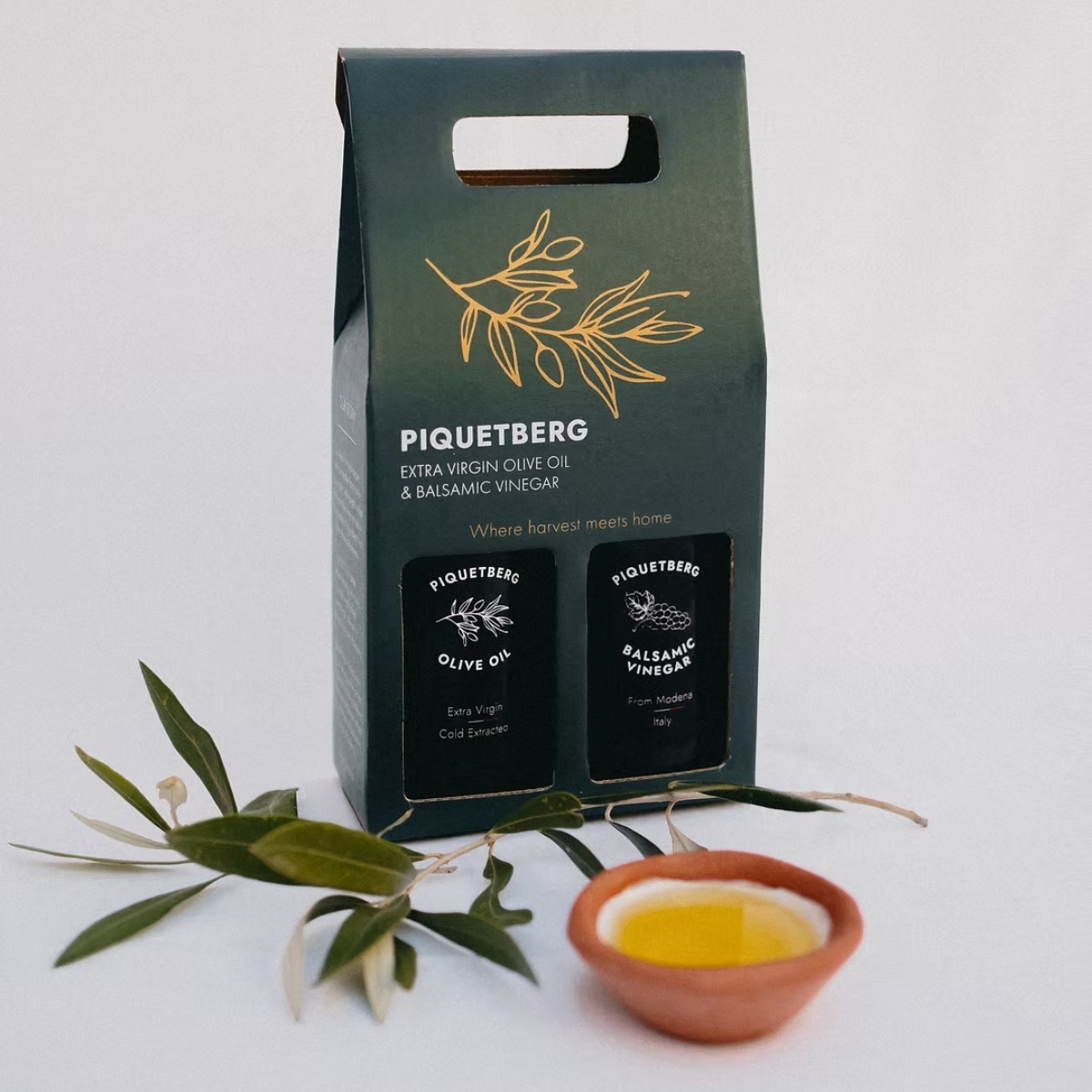
Piquetberg’s extra virgin olive oil carries all of that. Fresh, vibrant and beautifully balanced thanks to its blend of Frantoio, Coratina and Mission olives, it has the particular thrill that only a Southern Hemisphere harvest can bring to those of us in the Northern Hemisphere still waiting for ours.
There’s something personal about that blend too. Frantoio and Coratina are both Italian at their roots, Tuscan and Puglian respectively, the same country Daniela and Gianna’s mother came from. Just like the sisters, those cultivars have been transplanted into Western Cape soil, where they’ve thrived, becoming something new with roots in both places.
I absolutely love it.
This EVOO is exceptional, and I wholeheartedly believe anyone would be lucky to have a bottle sitting in their kitchen (hidden in a dark cool cupboard!).
The longer I spend in this world, the more convinced I become that the finest olive oils are not all about chemistry. Acidity, polyphenols and volatile compounds matter massively, but they still only tell half the story. People really write the rest of it, and I’m incredibly grateful that Daniela and Gianna’s parents planted something their daughters believed was worth carrying forward. Across much of the Mediterranean, succession has become one of olive oil’s greatest challenges, with many young people choosing different paths. Piquetberg is a beautiful reminder of what can happen when the next generation doesn’t walk away but instead chooses to build on what came before.
Daniela and Gianna have created something that feels even more enduring than extraordinary olive oil. They’ve built a culture of generosity that runs through the grove, the team and the bottle. Every person who opens a bottle of Piquetberg is no longer standing outside the family circle; they’re being invited to the table. To me, it feels like the most beautiful blend of Italian and South African culture because both understand something: good food was always meant to be shared.
You can sit with us!
If olive trees have taught us anything over the past few thousand years, it’s that what is nurtured with patience, shared freely and cared for by many hands almost always gives back.
From Piquetberg, with love.