Yes, olive oil is good for you, and the evidence behind it is some of the strongest in all of nutrition. When extra virgin olive oil becomes your main cooking fat, it supports the heart, helps calm inflammation and delivers antioxidants that most seed and vegetable oils simply do not carry. The one condition is the obvious one: it is food, not medicine, and the amount you use still matters.
At The Olive Feeling we spend most of our days with the people who grow and press this oil, and almost all of them repeat the same idea. Good olive oil is meant to be used every day, poured without hesitation, not saved for a special occasion that never quite arrives.
What it does for your heart
Olive oil is rich in monounsaturated fat, mainly oleic acid, which helps replace the saturated fat that pushes LDL cholesterol in the wrong direction. Research reviewed by the American Heart Association links diets built around olive oil with lower rates of heart disease, and the long-running Mediterranean studies put it at the center of the plate rather than off to the side. The Harvard T.H. Chan nutrition experts reach the same conclusion: swapping butter and refined oils for olive oil is a small change with a real payoff. One meal will not move anything, but repeated across months the pattern shows up in cholesterol balance, blood pressure and the flexibility of the blood vessels themselves.
Antioxidants, inflammation and daily wellbeing
Extra virgin olive oil is more than fat. It carries polyphenols, the natural compounds responsible for that peppery sting at the back of your throat, along with vitamin E. These act as antioxidants and may help lower the low-grade inflammation that sits behind many long-term conditions. The sharper and fresher the oil tastes, the more of these compounds it usually holds, which is why a dull, flat bottle offers less than a bright, grassy one. The benefits look slightly different for men and for women, but the foundation is the same for everyone. Some people even drink a spoonful on its own, though you get the same compounds by simply cooking and dressing your food with it.
How much should you use
Most of the research points to one to four tablespoons a day as a healthy range. It is worth remembering that olive oil is calorie dense, with roughly 120 calories in a single tablespoon, so the goal is to replace other fats with it rather than add it on top of everything. If weight is your focus, our guide on olive oil for weight loss explains how to use it without overdoing the calories, and our piece on how much olive oil per day gives clearer numbers for different goals.
Benefits beyond the usual list
The conversation around olive oil usually stops at the heart, but its reach is wider. We have looked at what it may mean for eye health, for your lungs, and even for markers like creatinine. None of these turn oil into a cure, and the strongest evidence will always sit with the heart. Still, together they show why a single ingredient earns so much attention from doctors and cooks alike.
Choosing and storing a good bottle
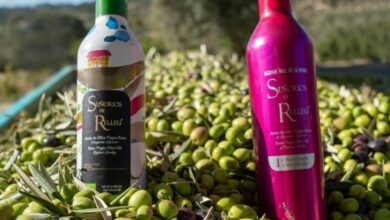
The health of the oil depends on how it was made and how you keep it. Look for extra virgin on the label, a harvest date if you can find one, and a dark glass bottle or tin that shields the oil from light. Once opened, heat, air and sunlight slowly wear down the very polyphenols you are paying for, so a bottle kept beside the stove loses its edge faster than one tucked in a cool cupboard. Buy a size you will finish within a couple of months and treat it as a fresh ingredient, not a pantry fixture that lives for a year.
The myths worth dropping
Two ideas still cause confusion. The first is that olive oil is too fragile to cook with, which is not true at normal kitchen temperatures, where its natural antioxidants actually make it fairly stable. The second is that light or refined versions are healthier, when in fact the unrefined extra virgin grade holds the most goodness and the word light refers only to color and flavor. Choose a fresh bottle, keep it away from heat and light, and use it generously. That is the whole secret, and it is the one the growers tell us every harvest.